Cradle
Saskia Baden
November 22, 2025–January 3, 2026
The Fulcrum Press
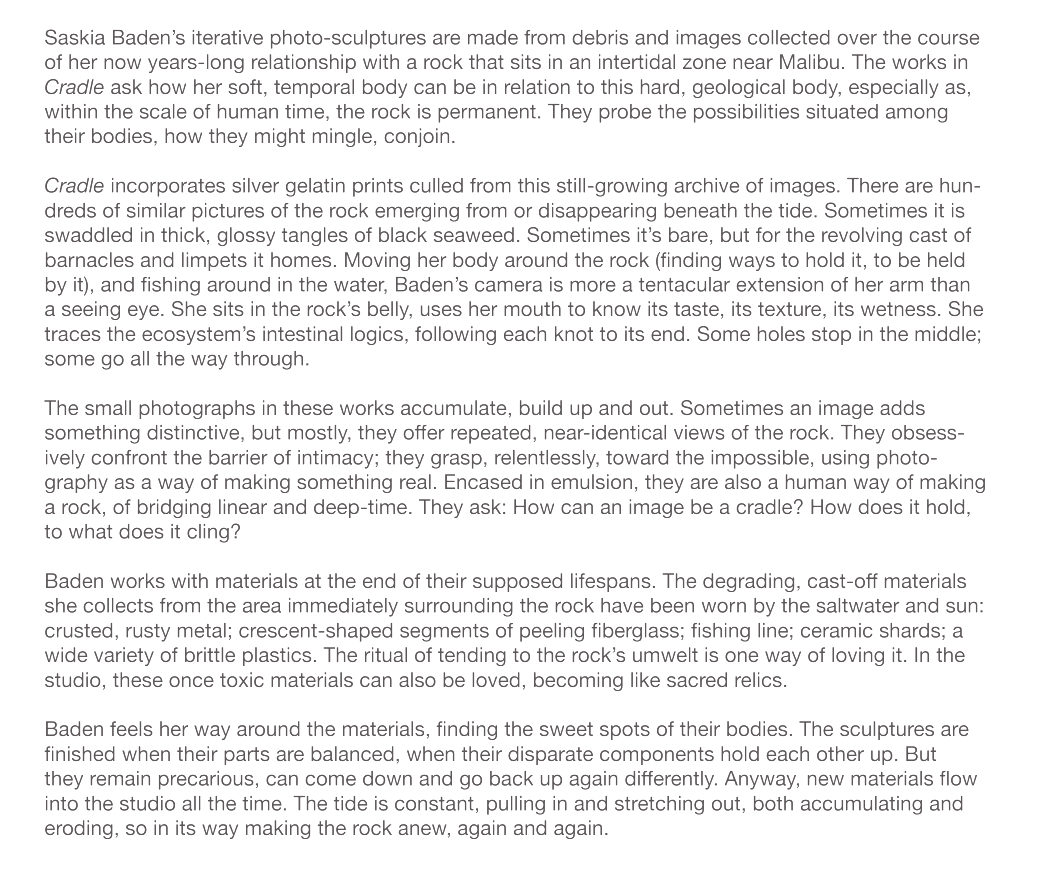
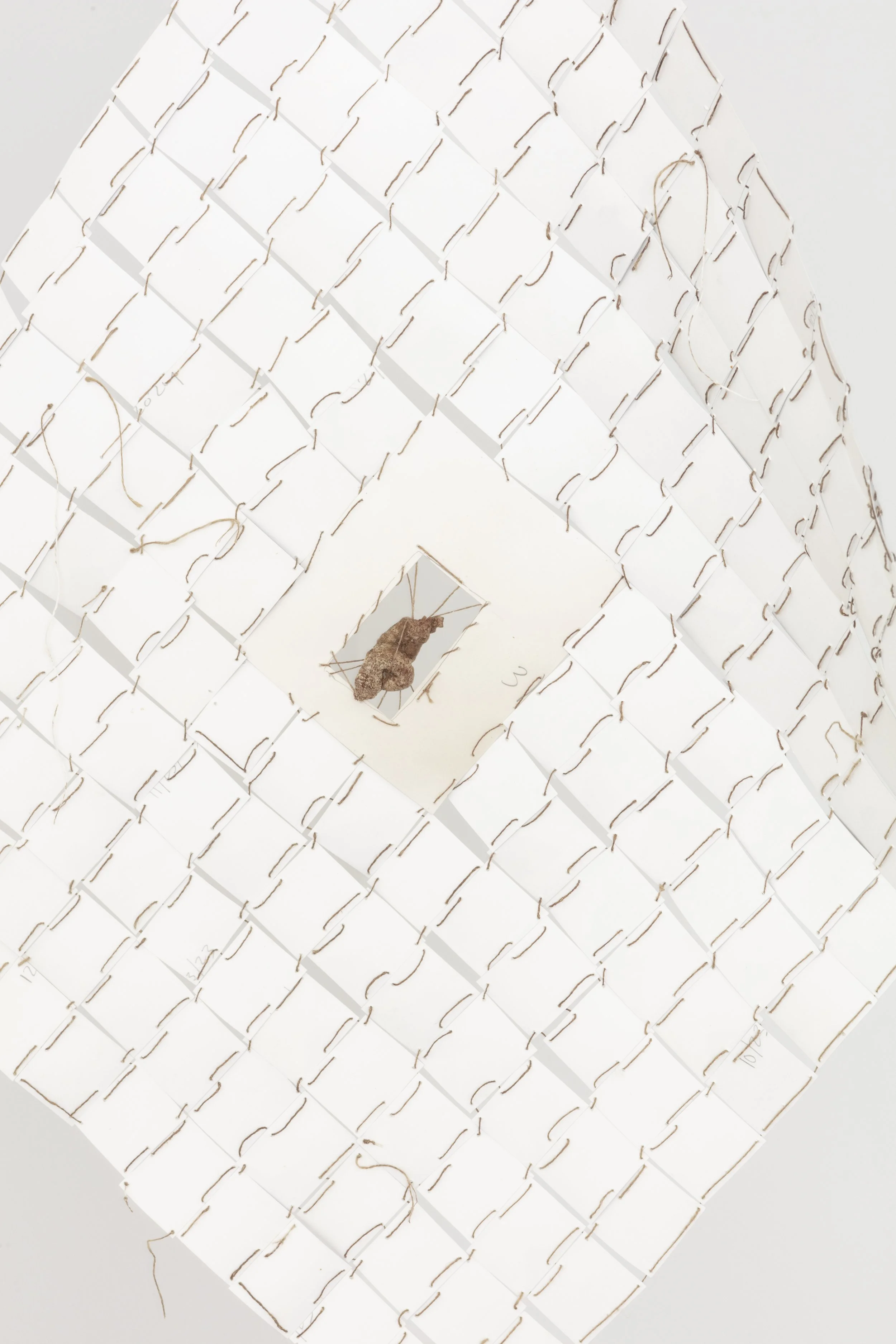
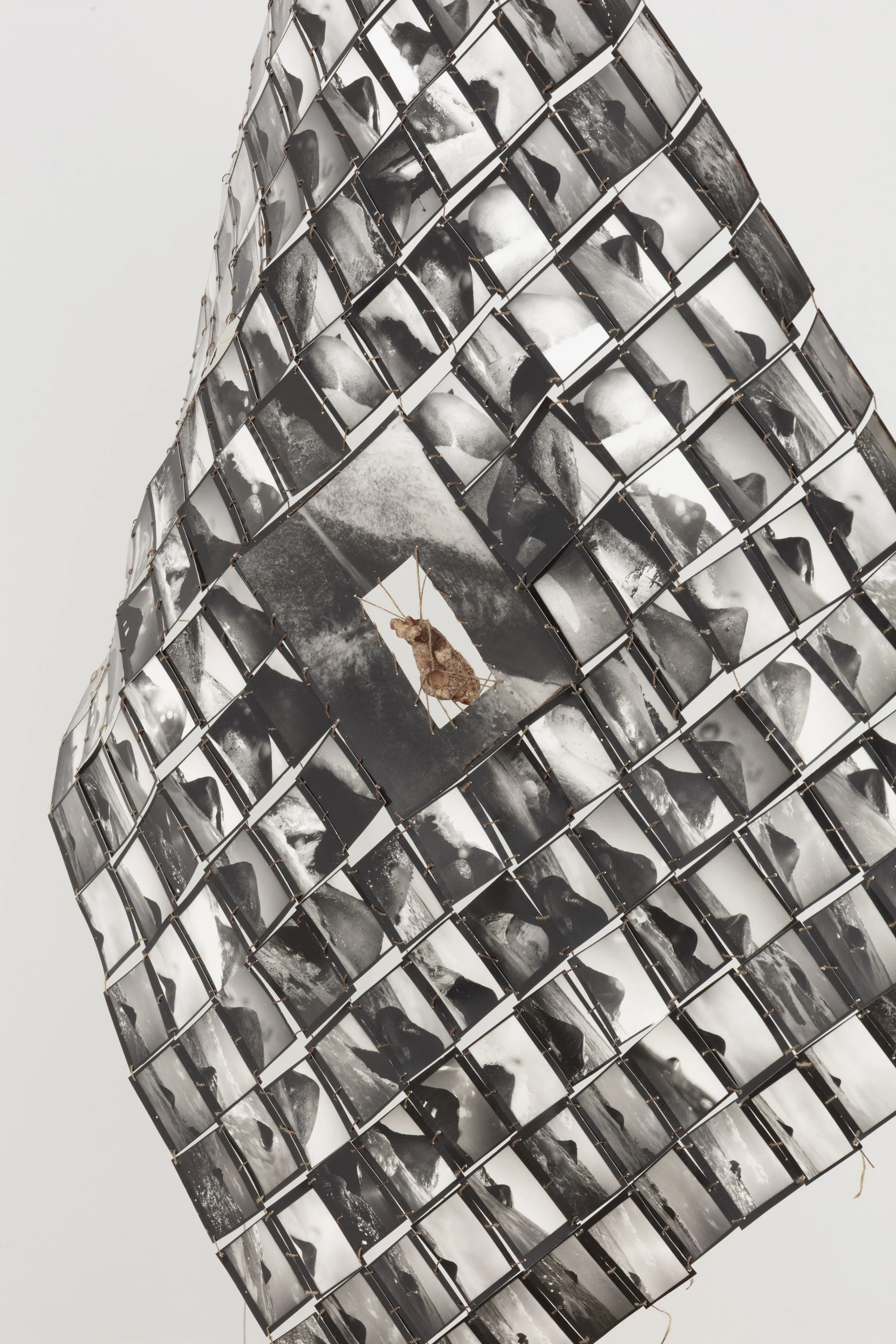
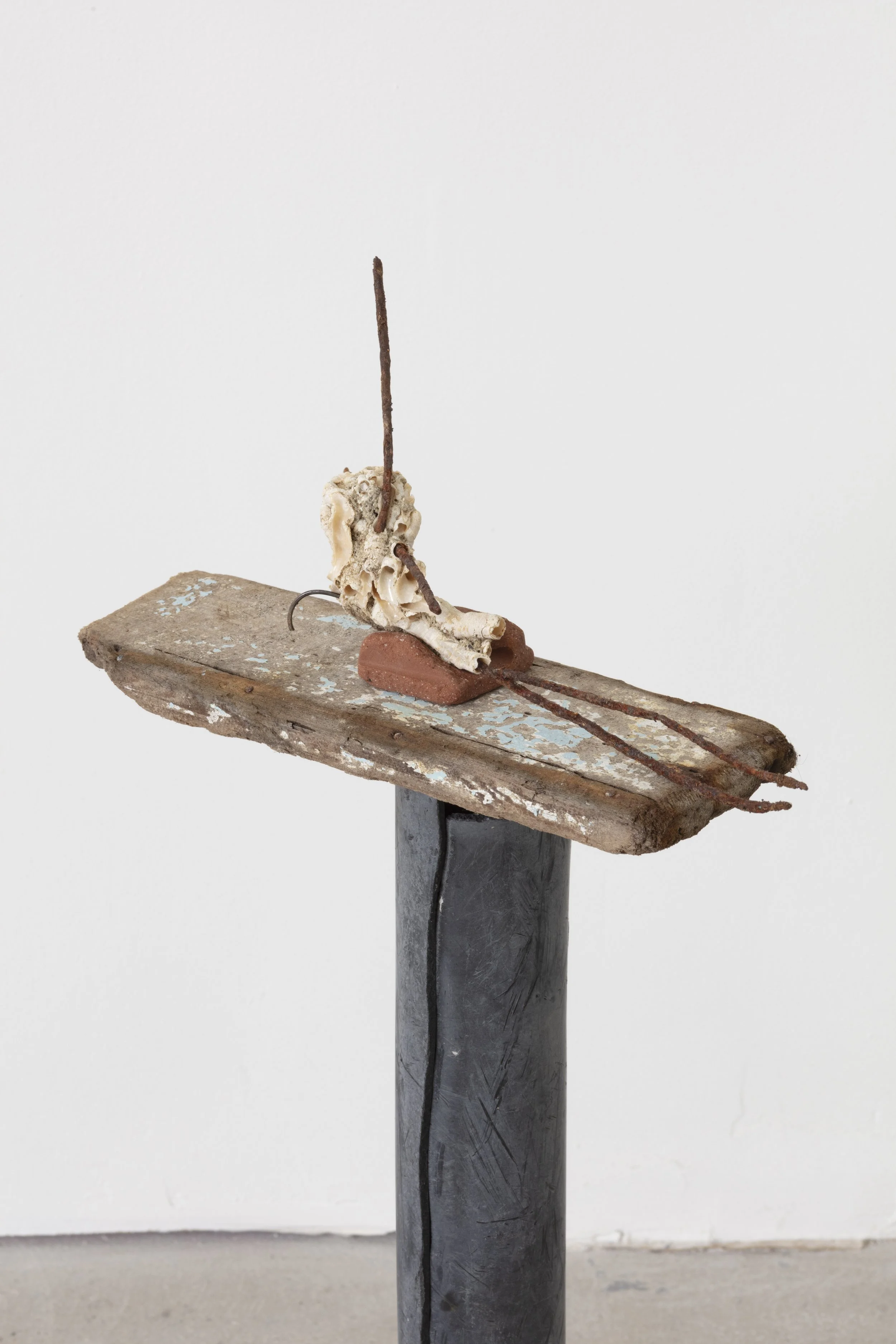
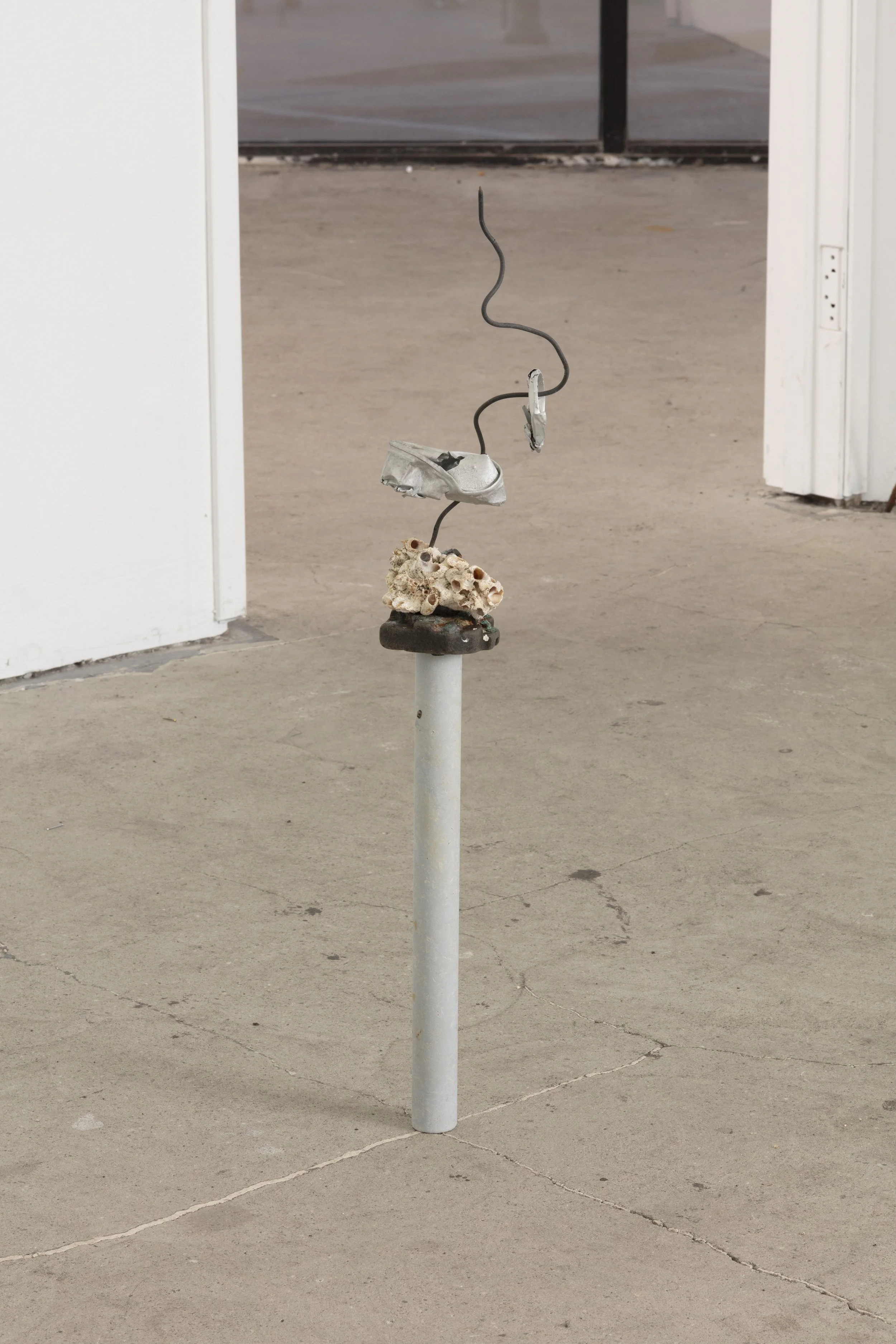
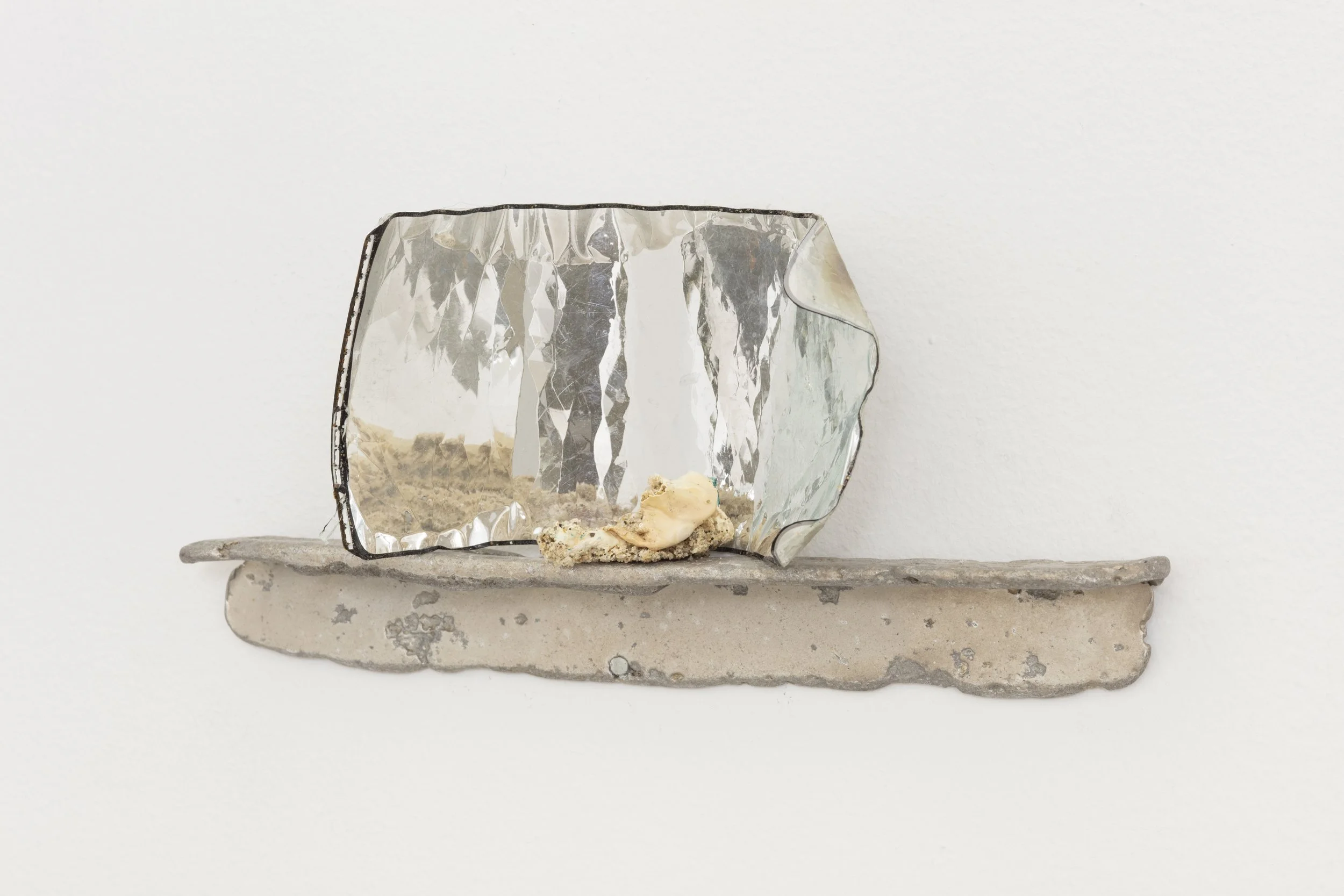
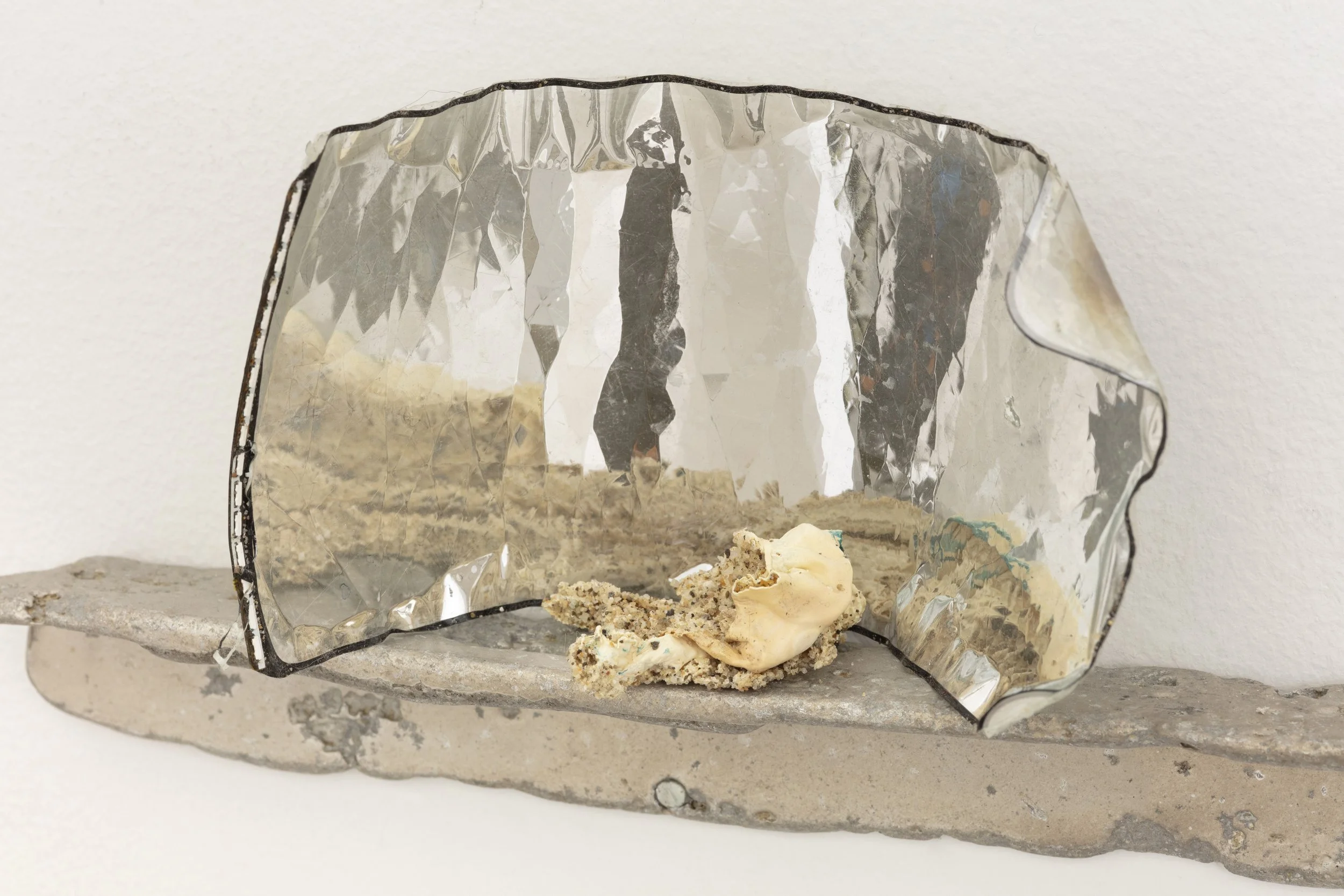
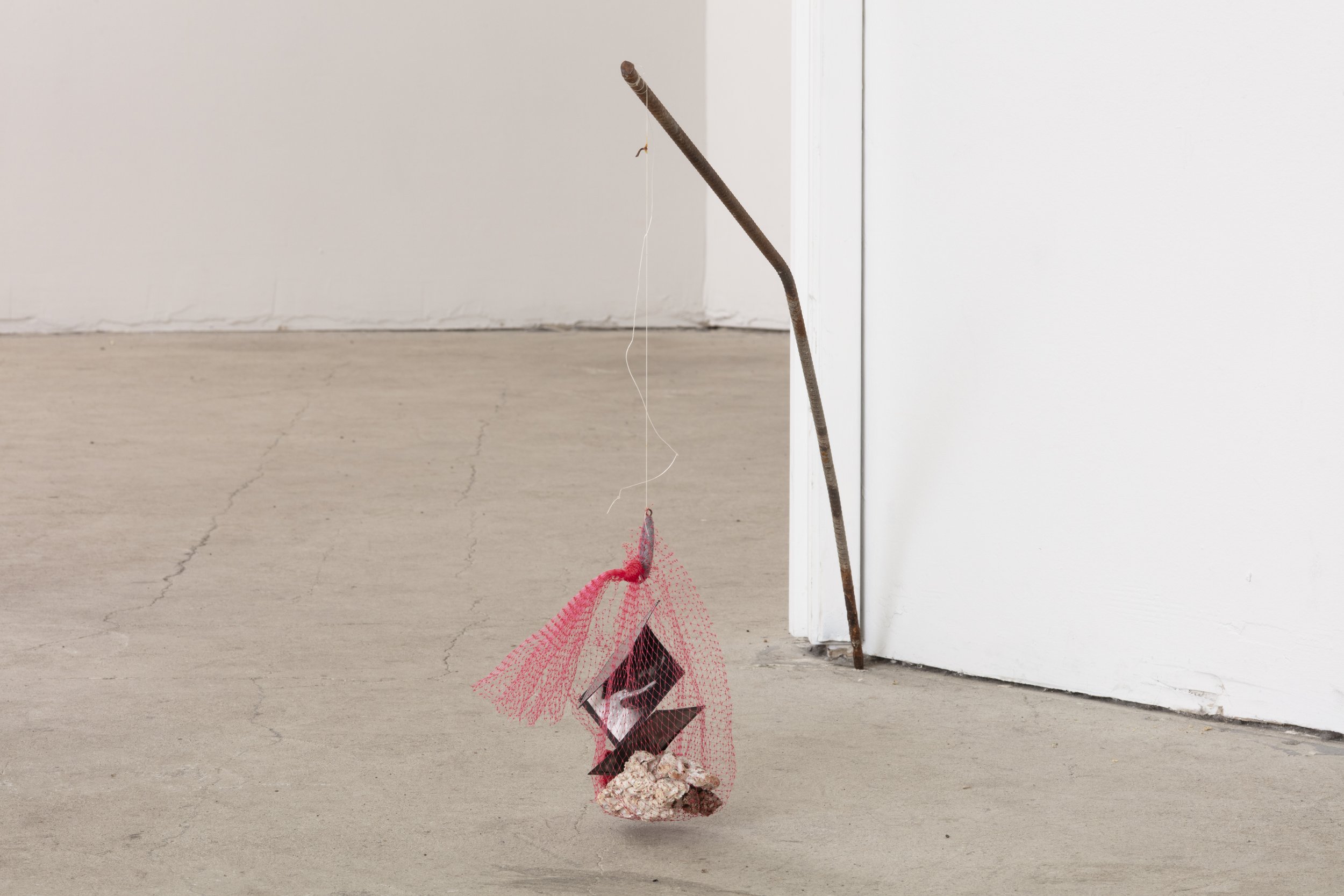
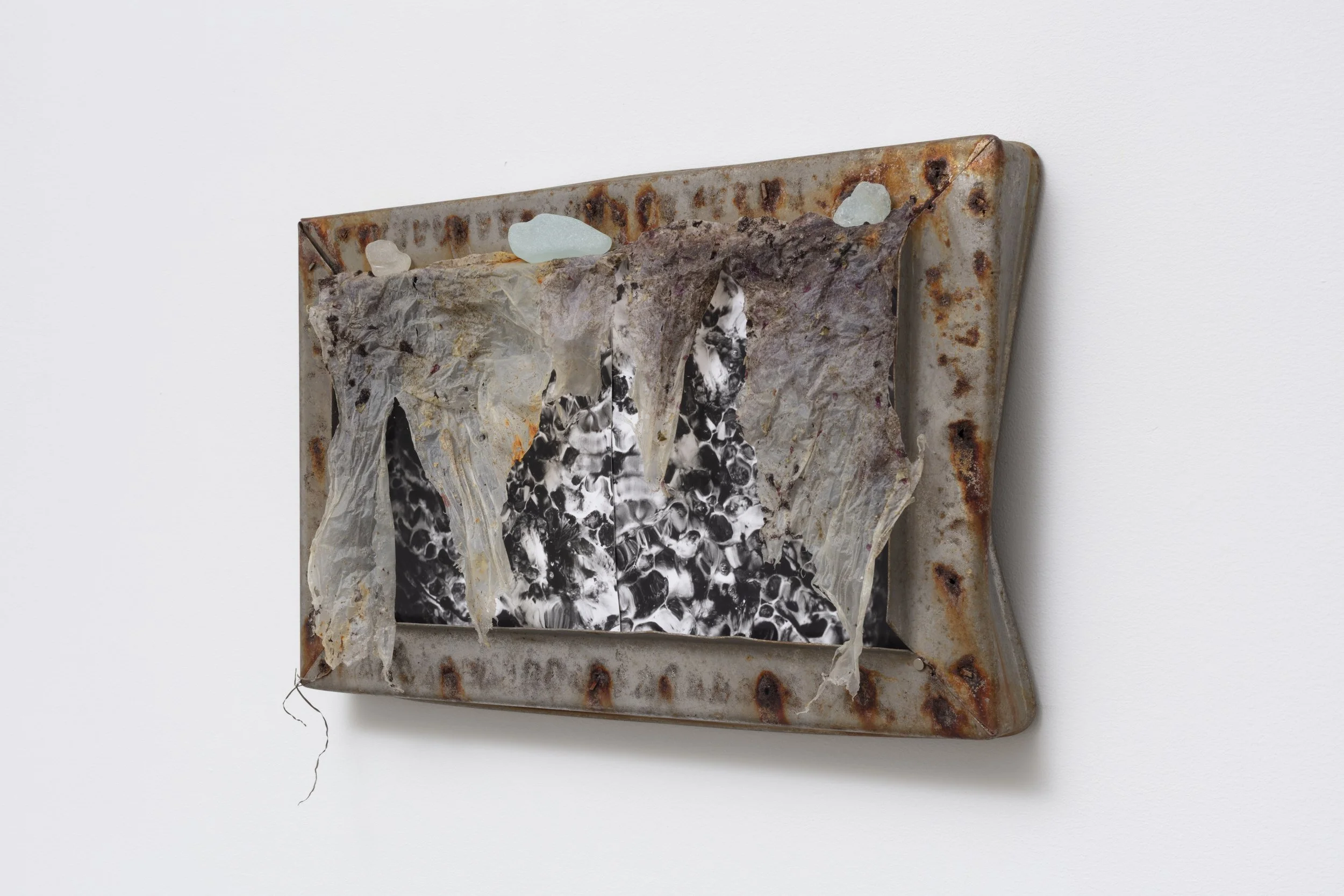
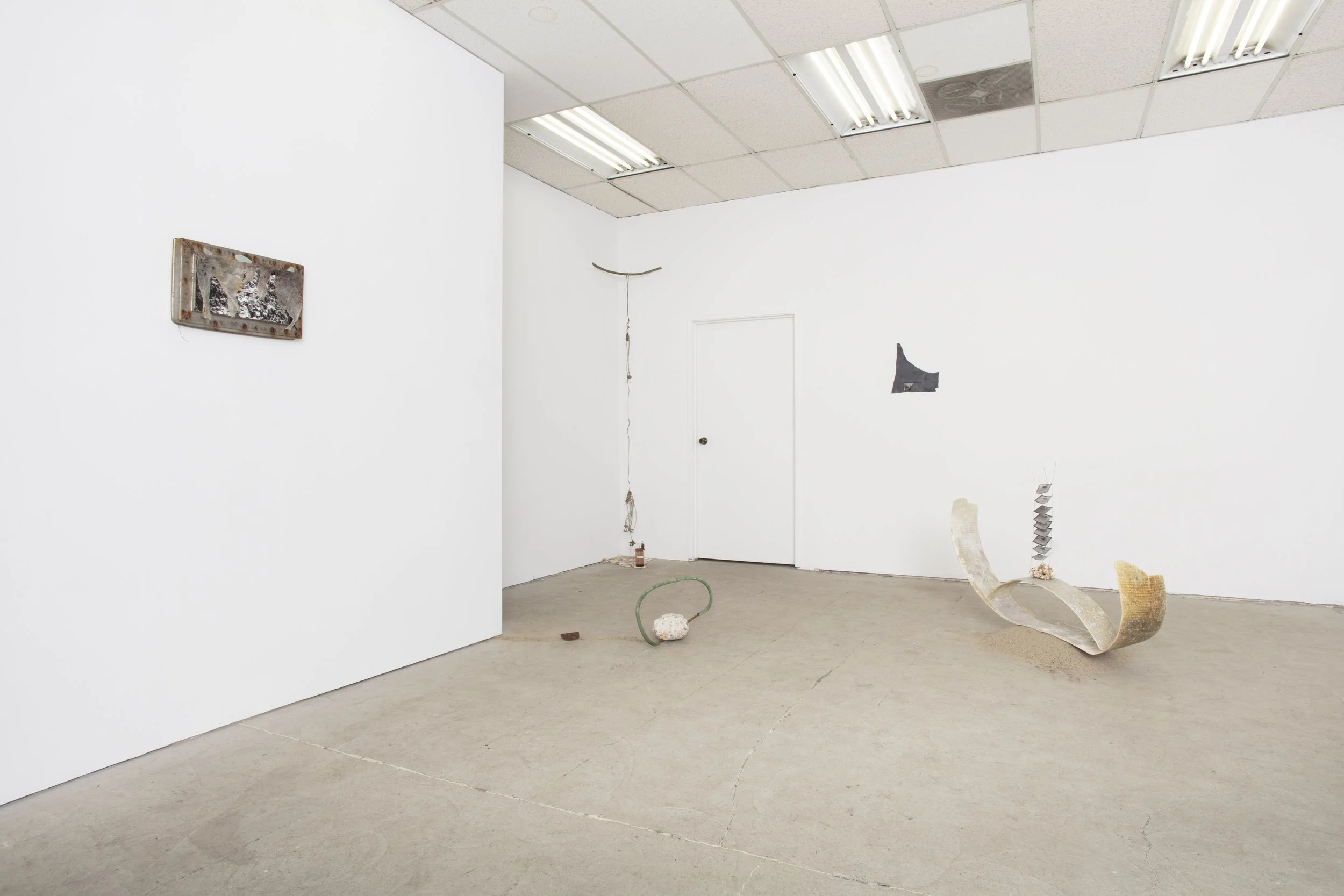
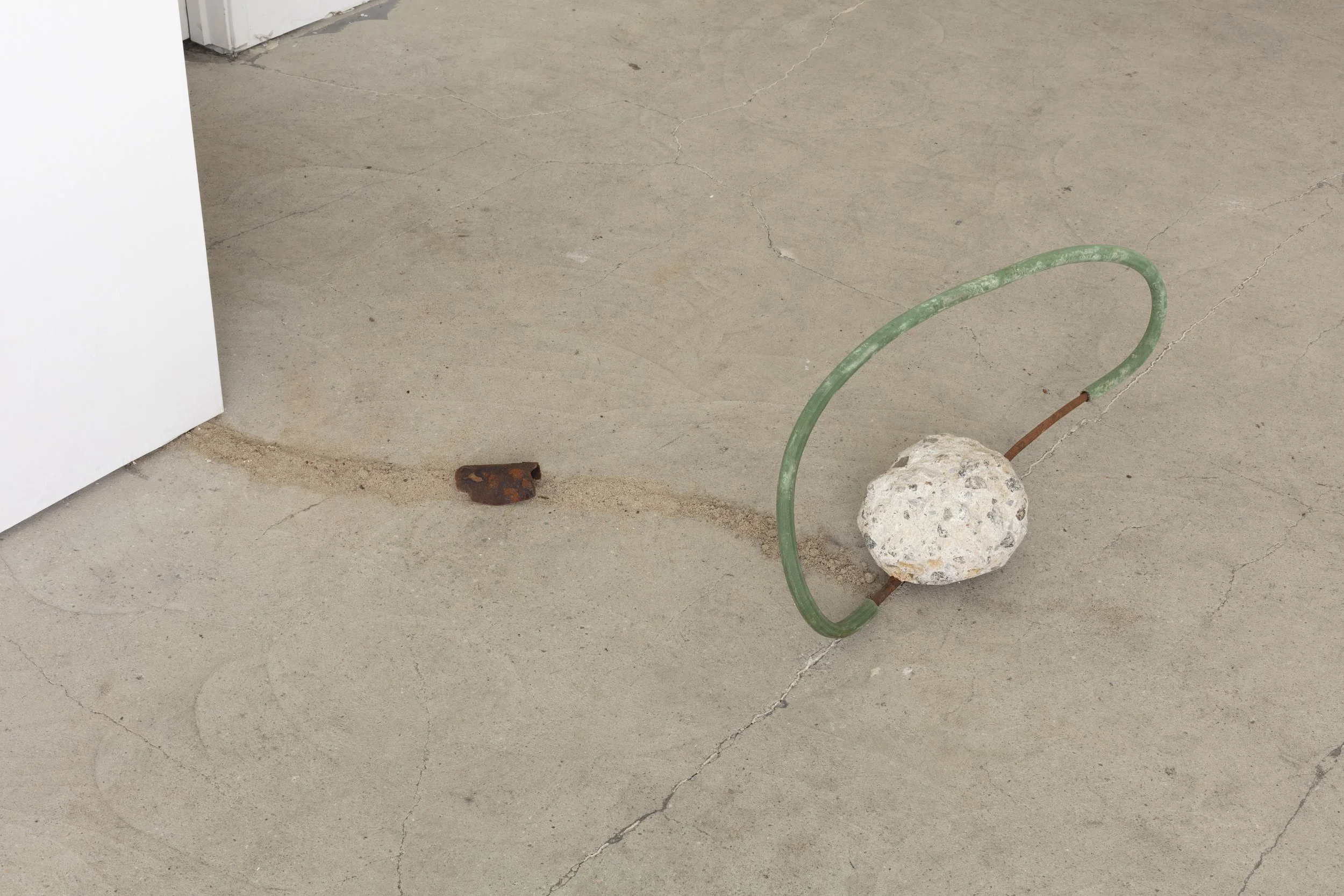
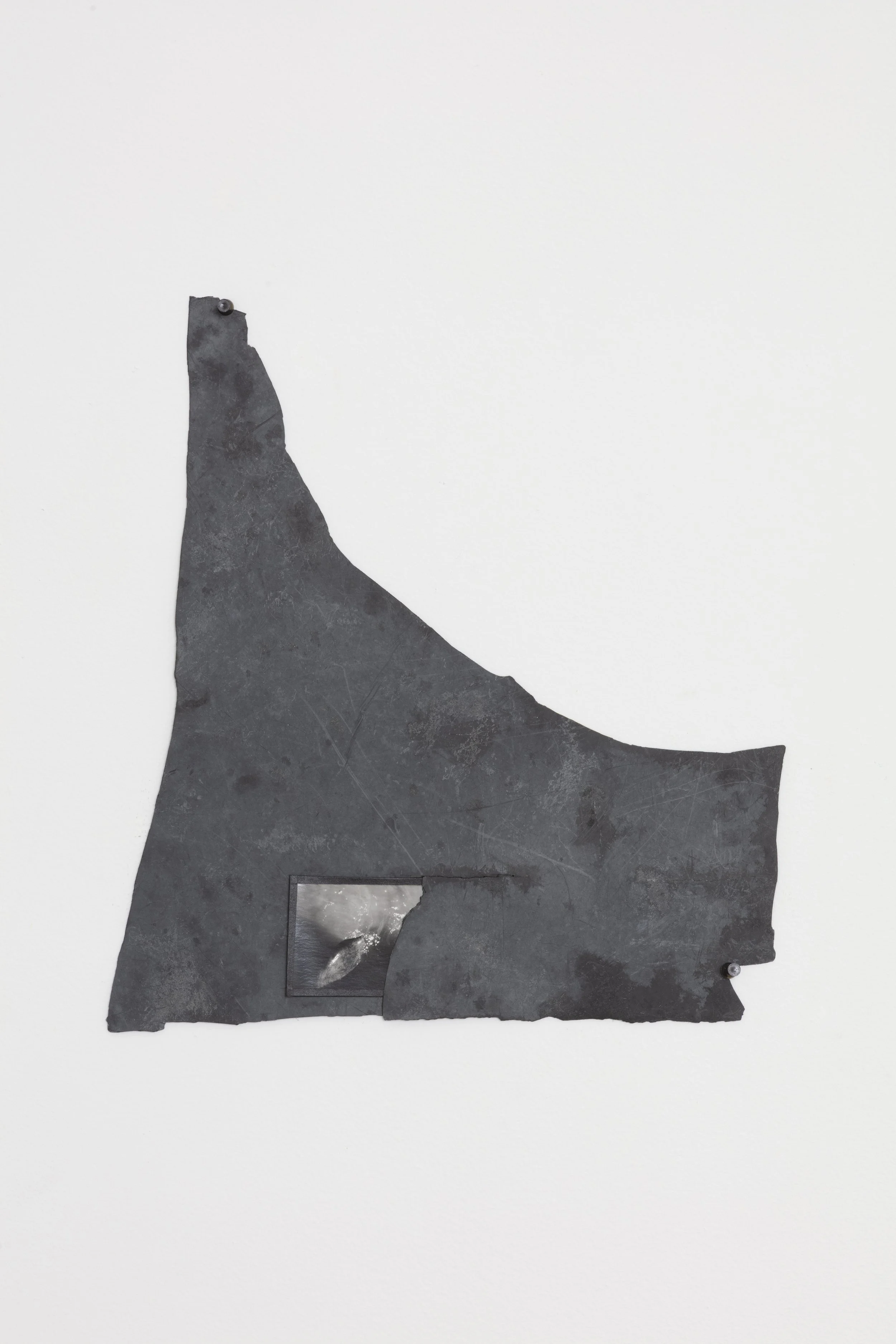
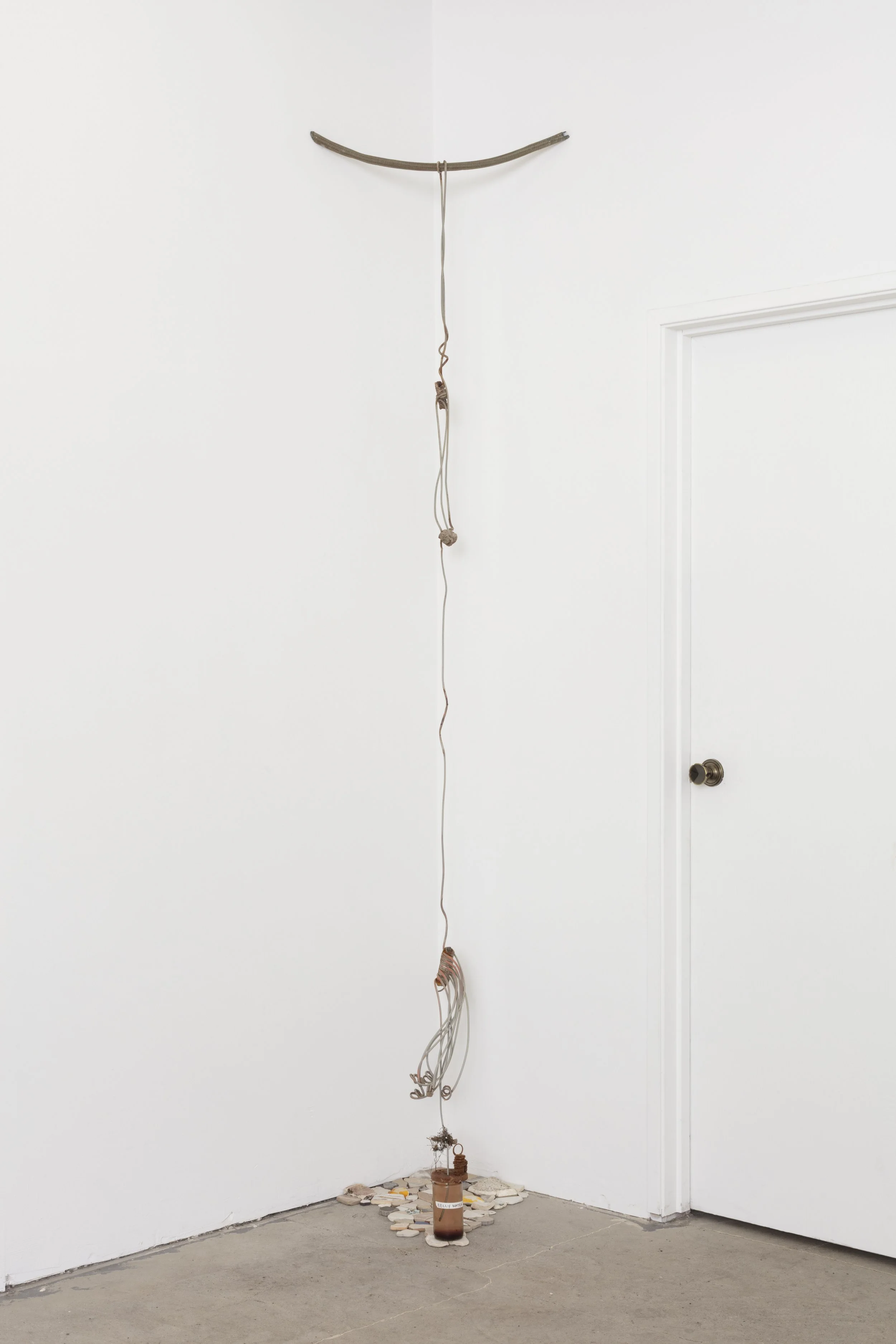
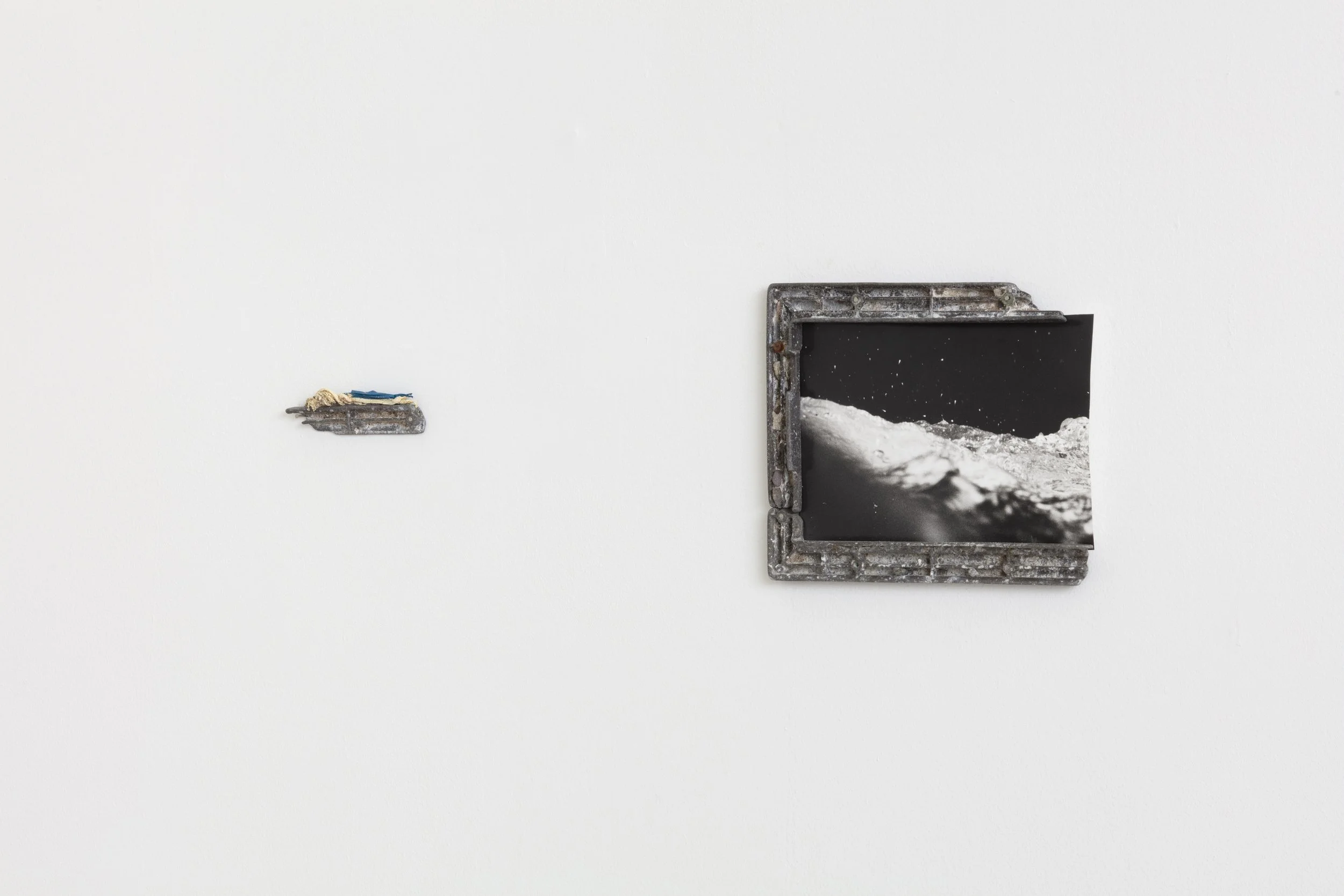
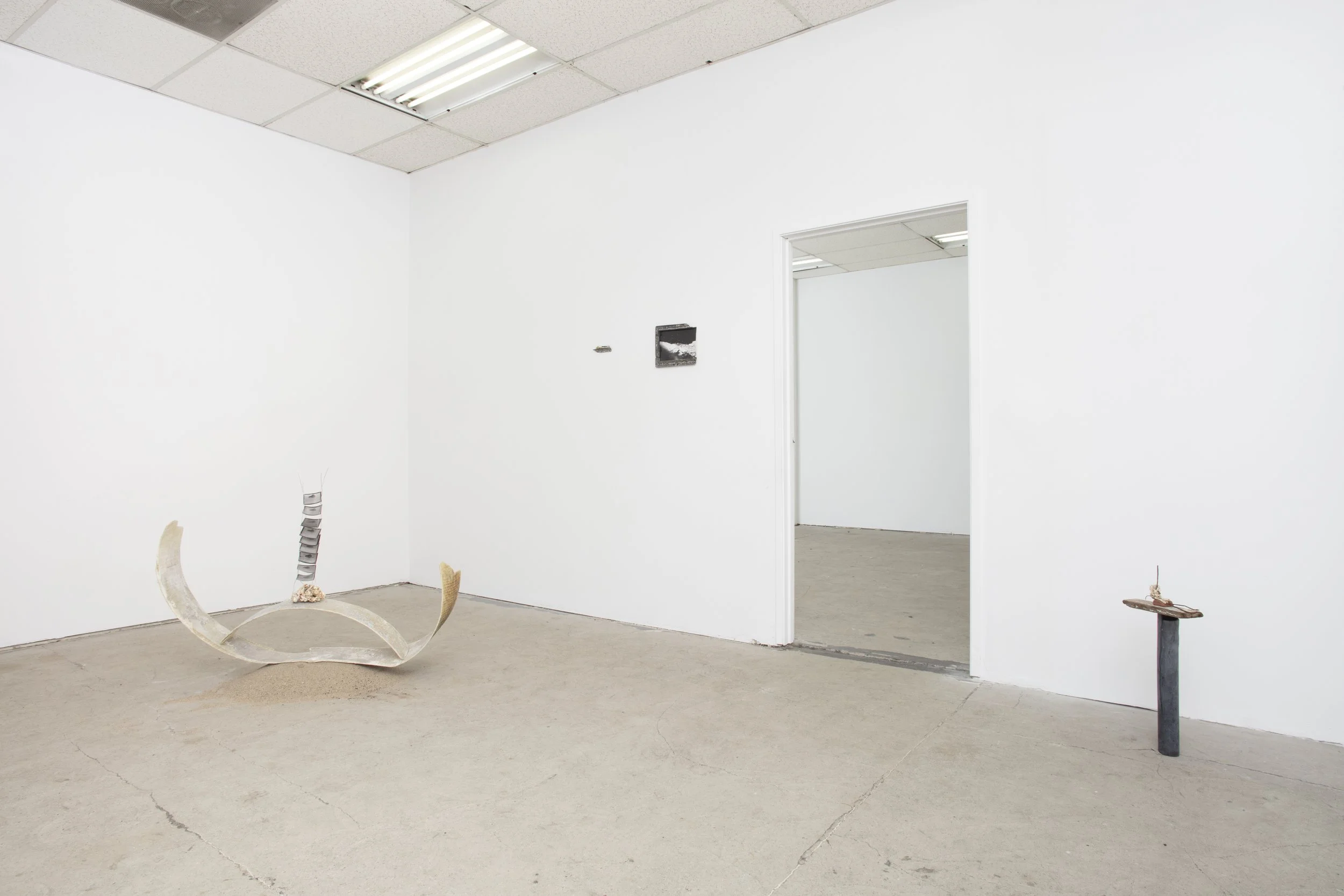
Saskia Baden’s iterative photo-sculptures are made from debris and images collected over the course of her now years-long relationship with a rock that sits in an intertidal zone near Malibu. The works in Cradle ask how her soft, temporal body can be in relation to this hard, geological body, especially as, within the scale of human time, the rock is permanent. They probe the possibilities situated among their bodies, how they might mingle, conjoin.
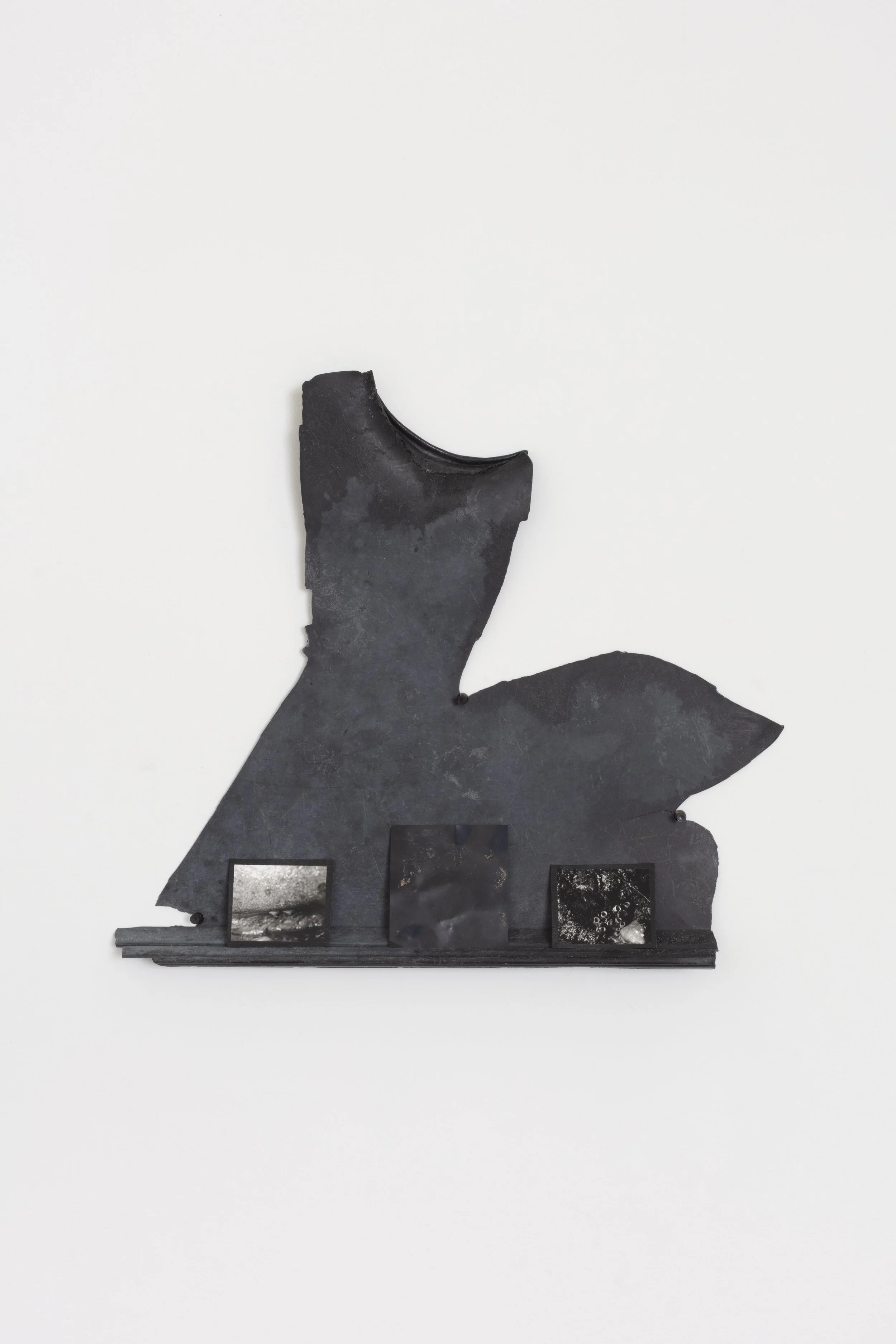
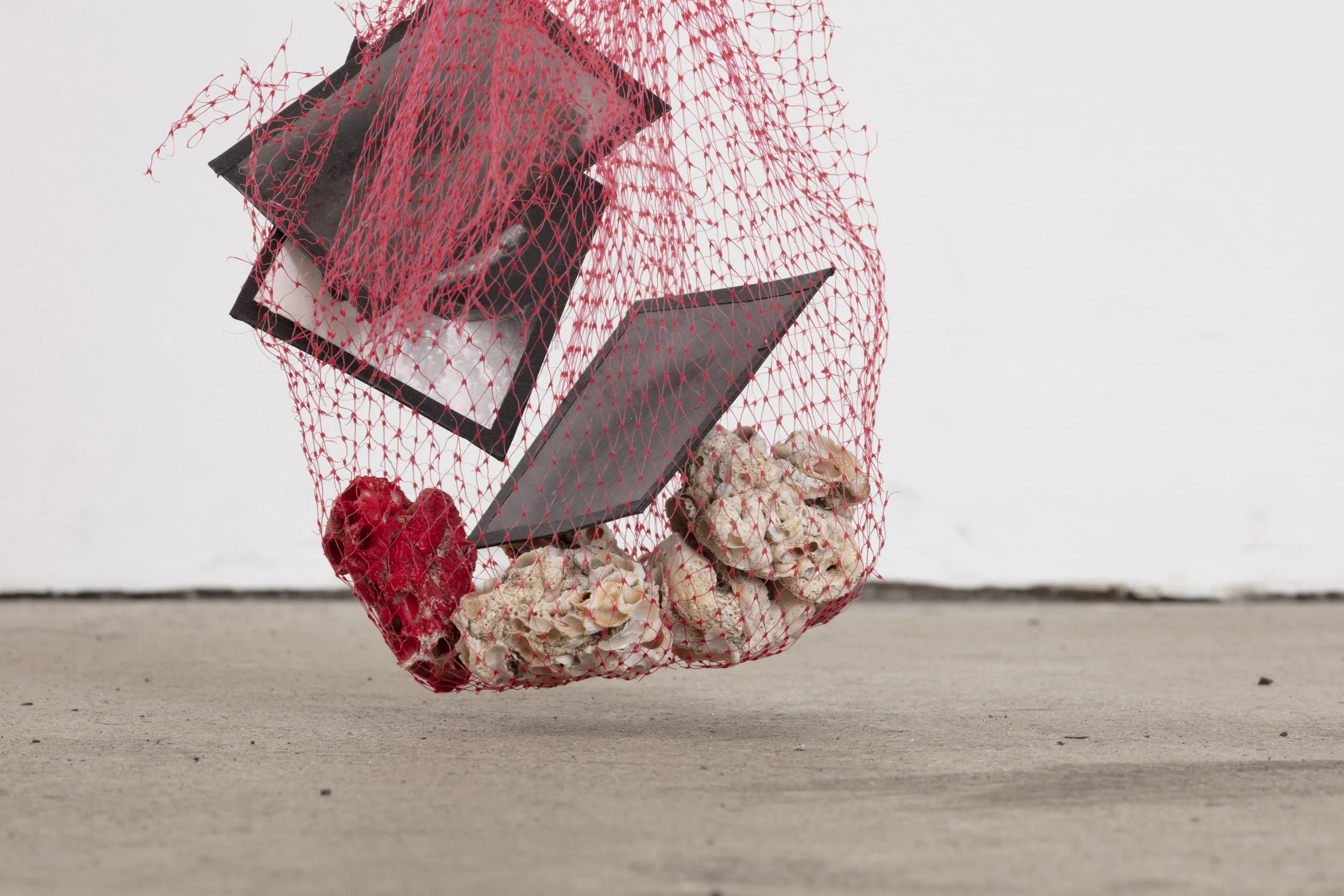
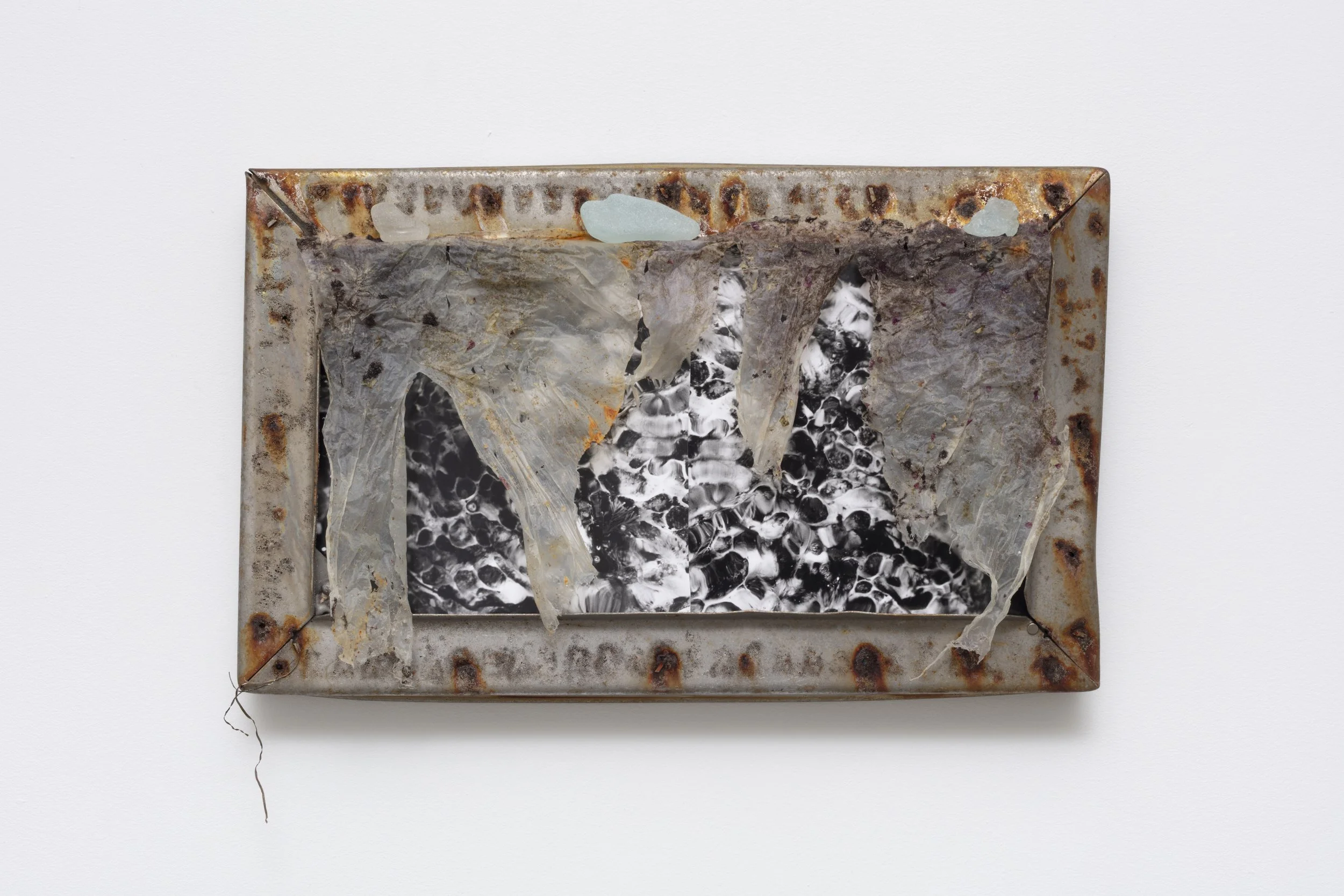
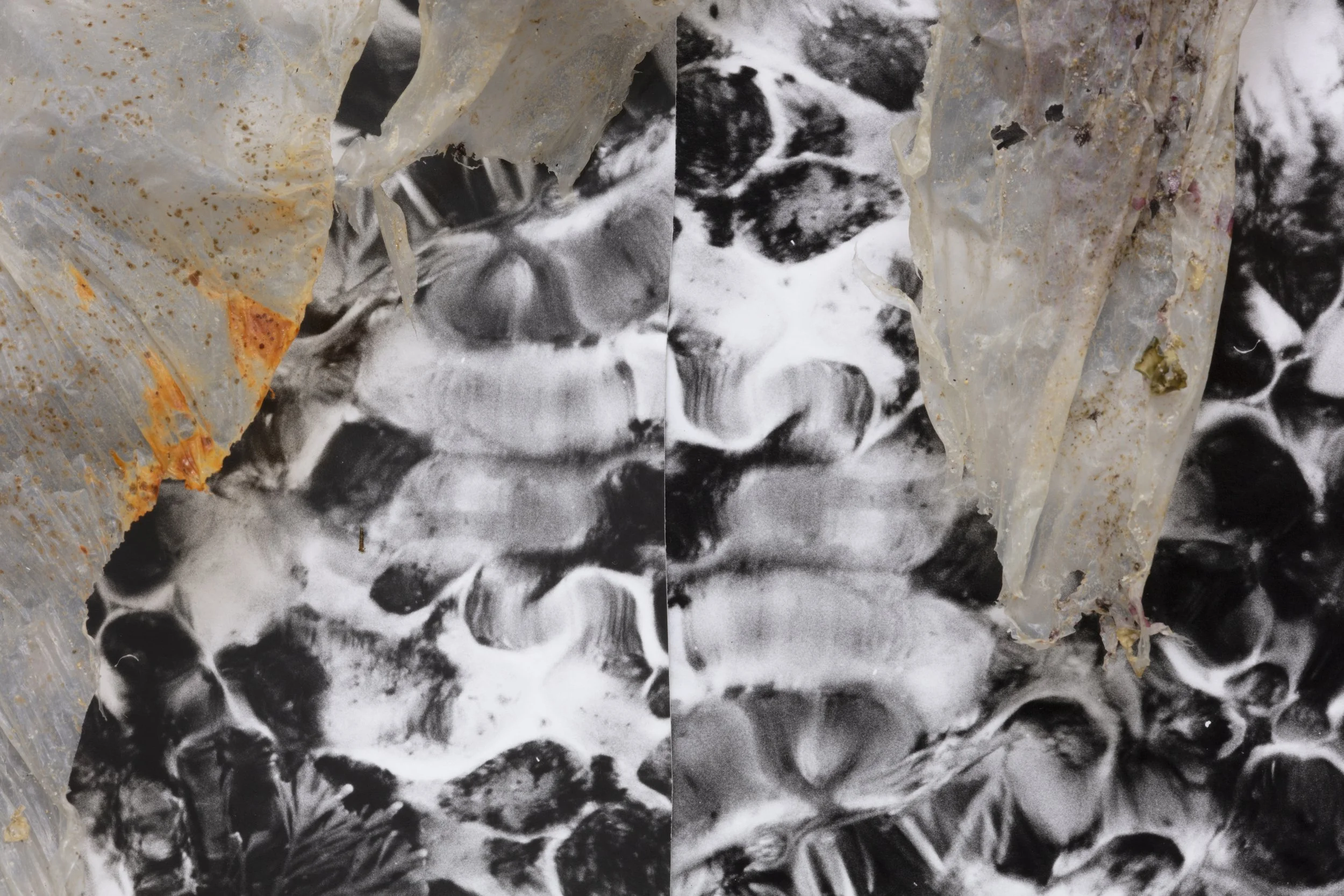
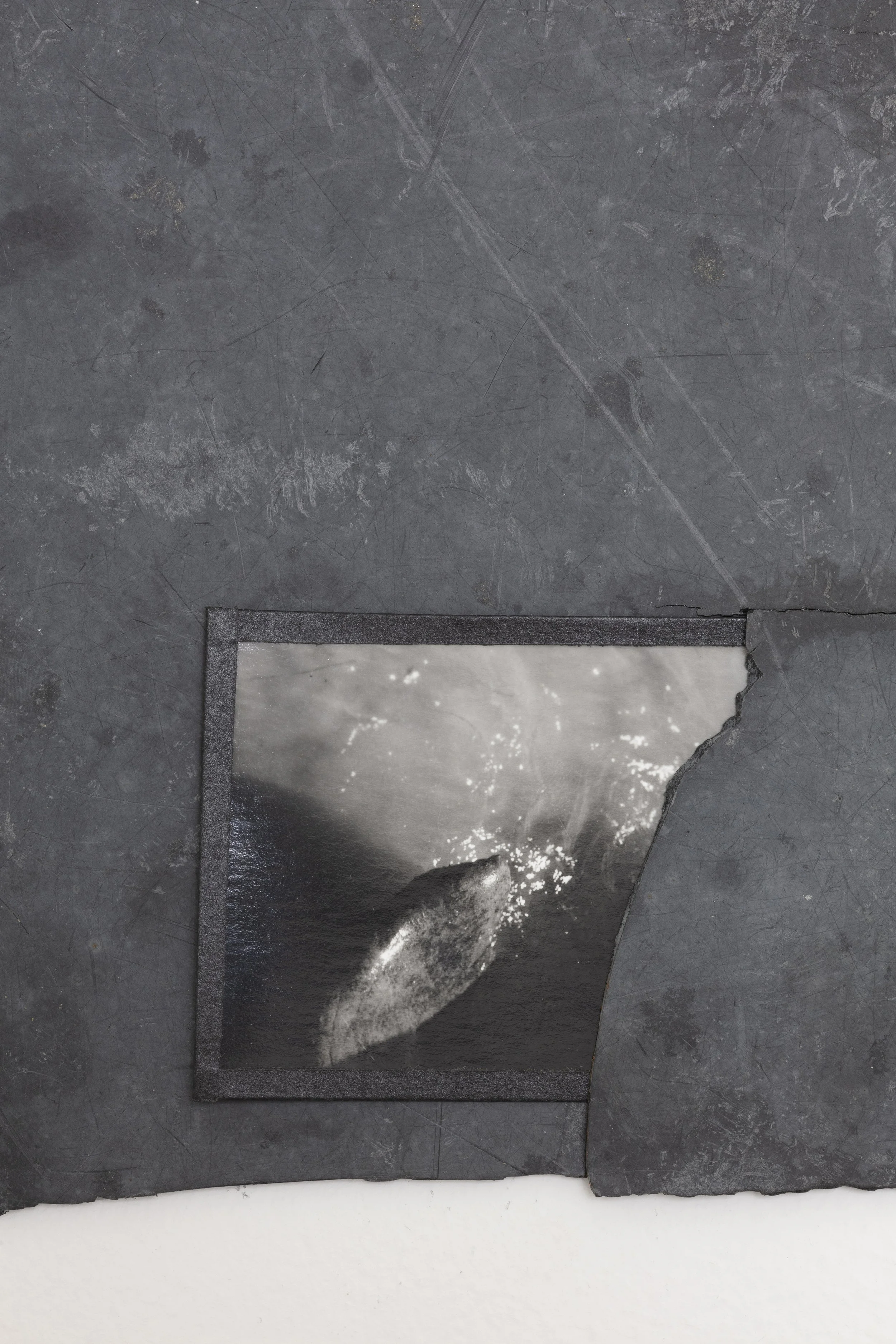
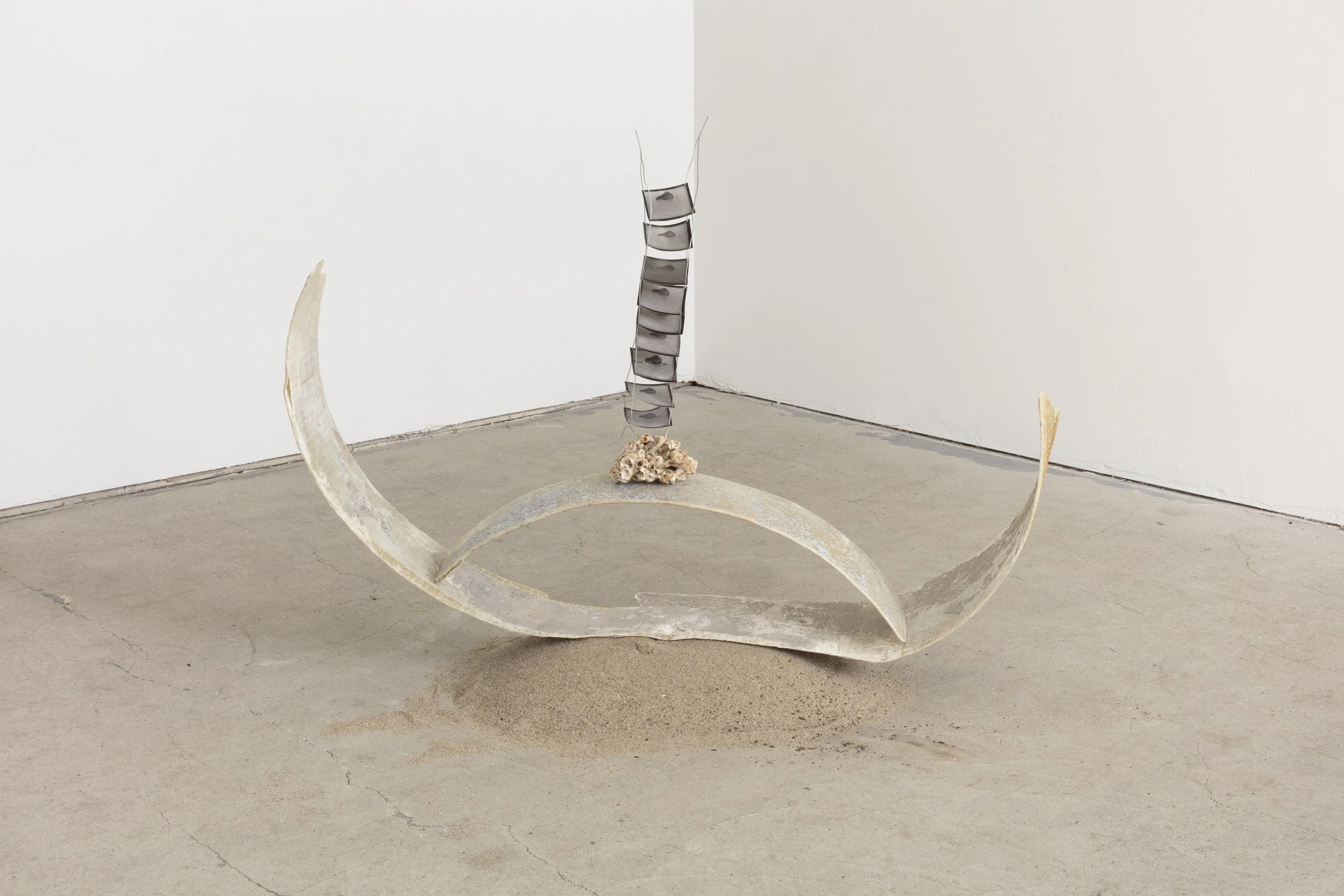
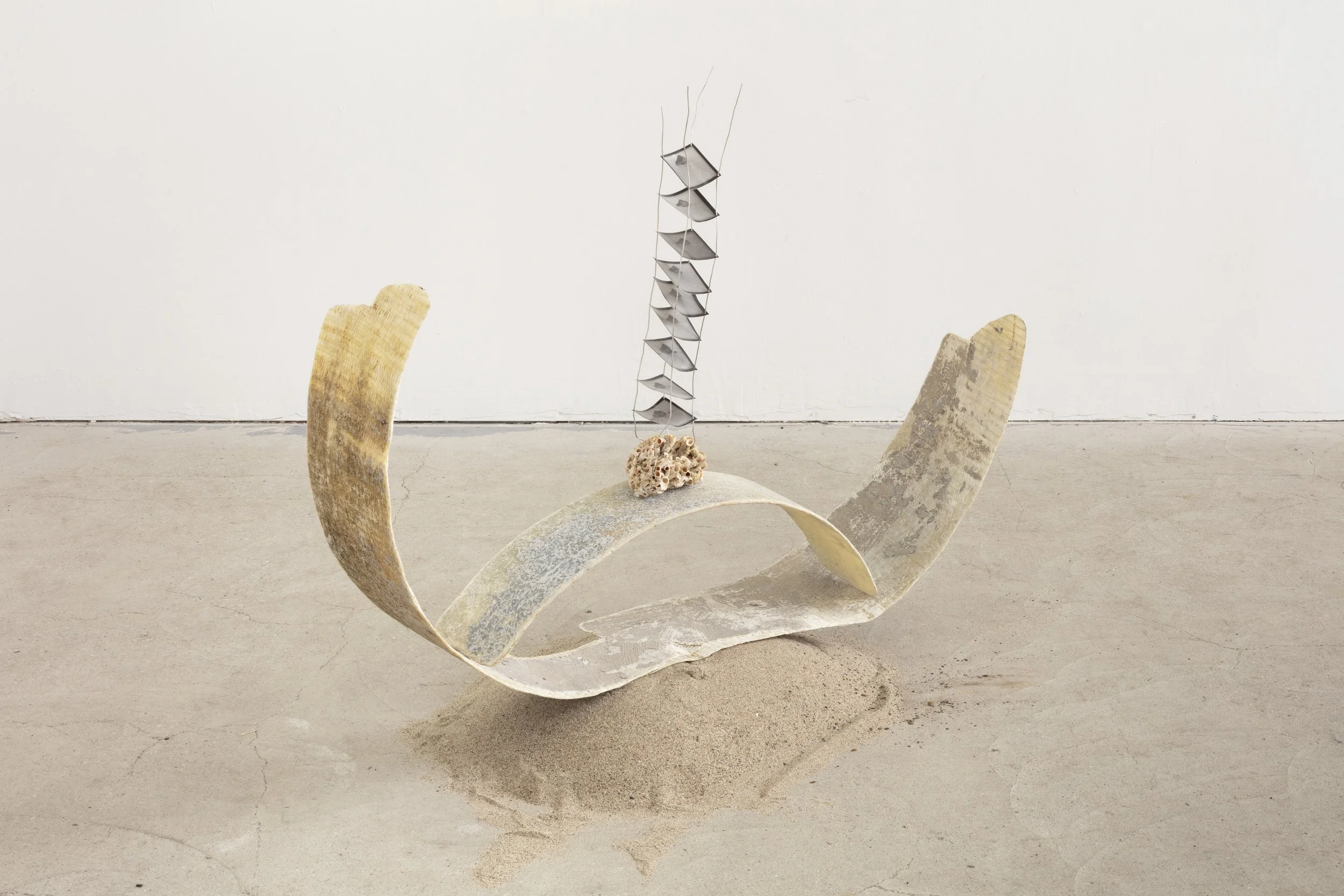
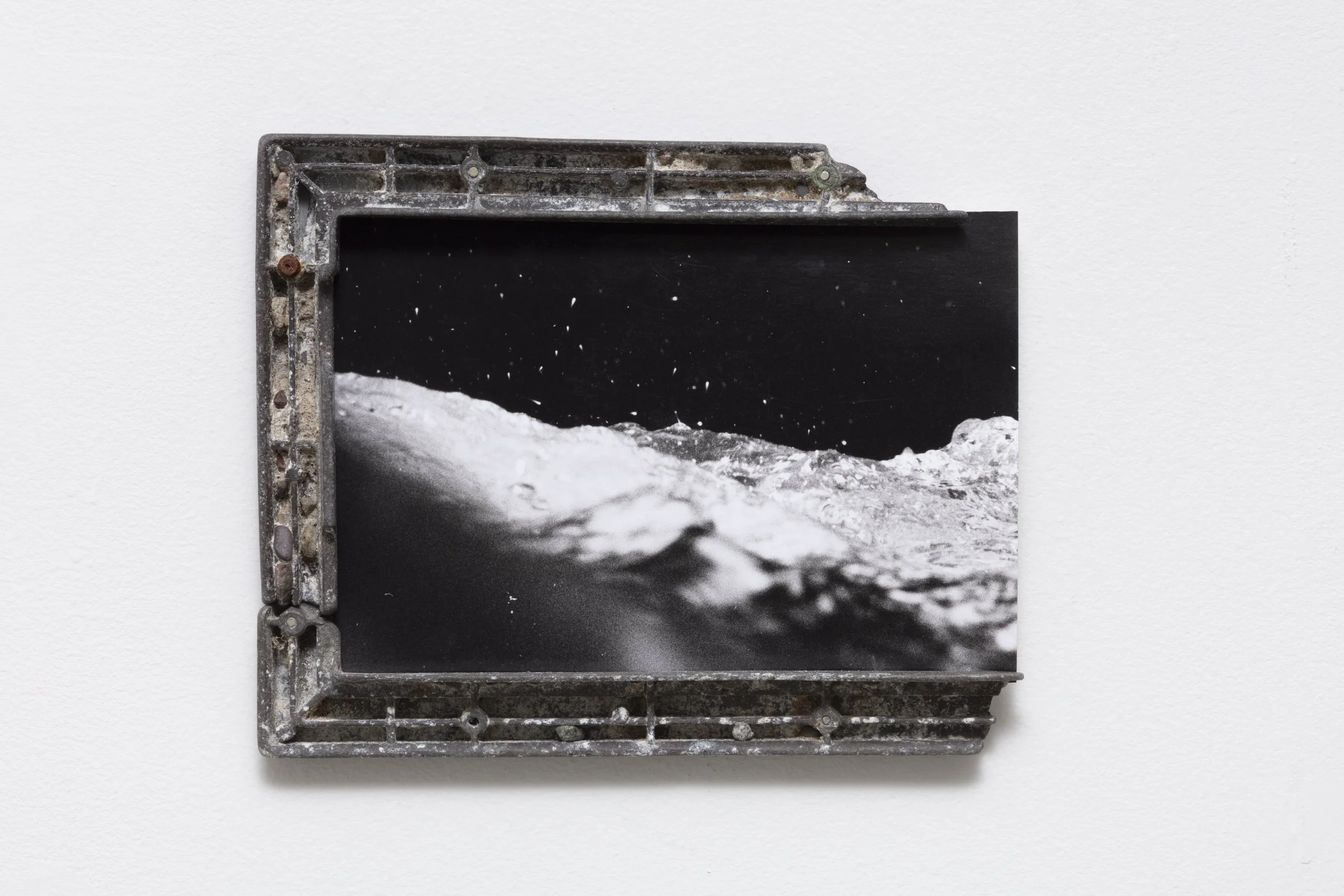
Cradle incorporates silver gelatin prints culled from this still-growing archive of images. There are hun-dreds of similar pictures of the rock emerging from or disappearing beneath the tide. Sometimes it is swaddled in thick, glossy tangles of black seaweed. Sometimes it’s bare, but for the revolving cast of barnacles and limpets it homes. Moving her body around the rock (finding ways to hold it, to be held by it), and fishing around in the water, Baden’s camera is more a tentacular extension of her arm than a seeing eye. She sits in the rock’s belly, uses her mouth to know its taste, its texture, its wetness. She traces the ecosystem’s intestinal logics, following each knot to its end. Some holes stop in the middle; some go all the way through.
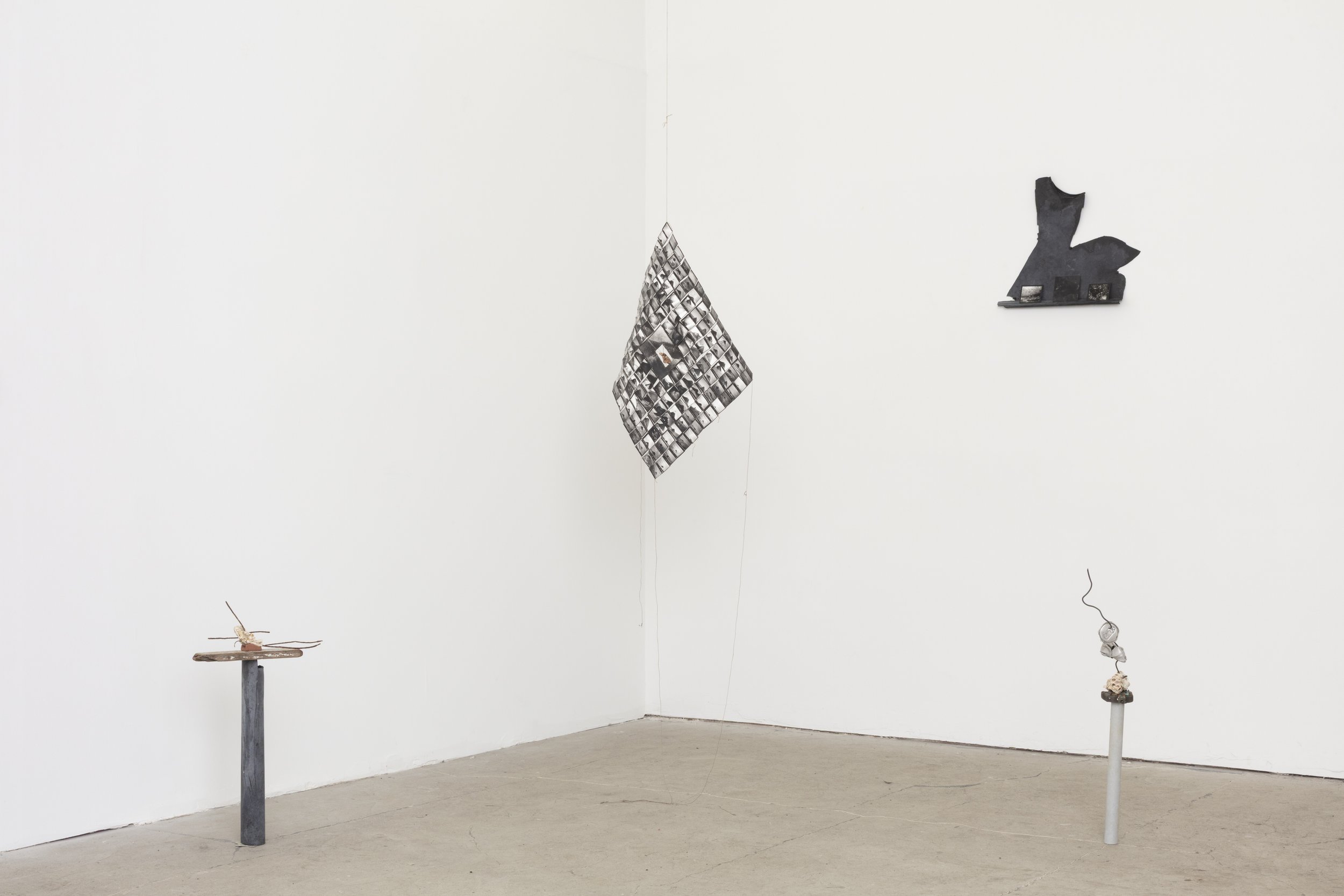
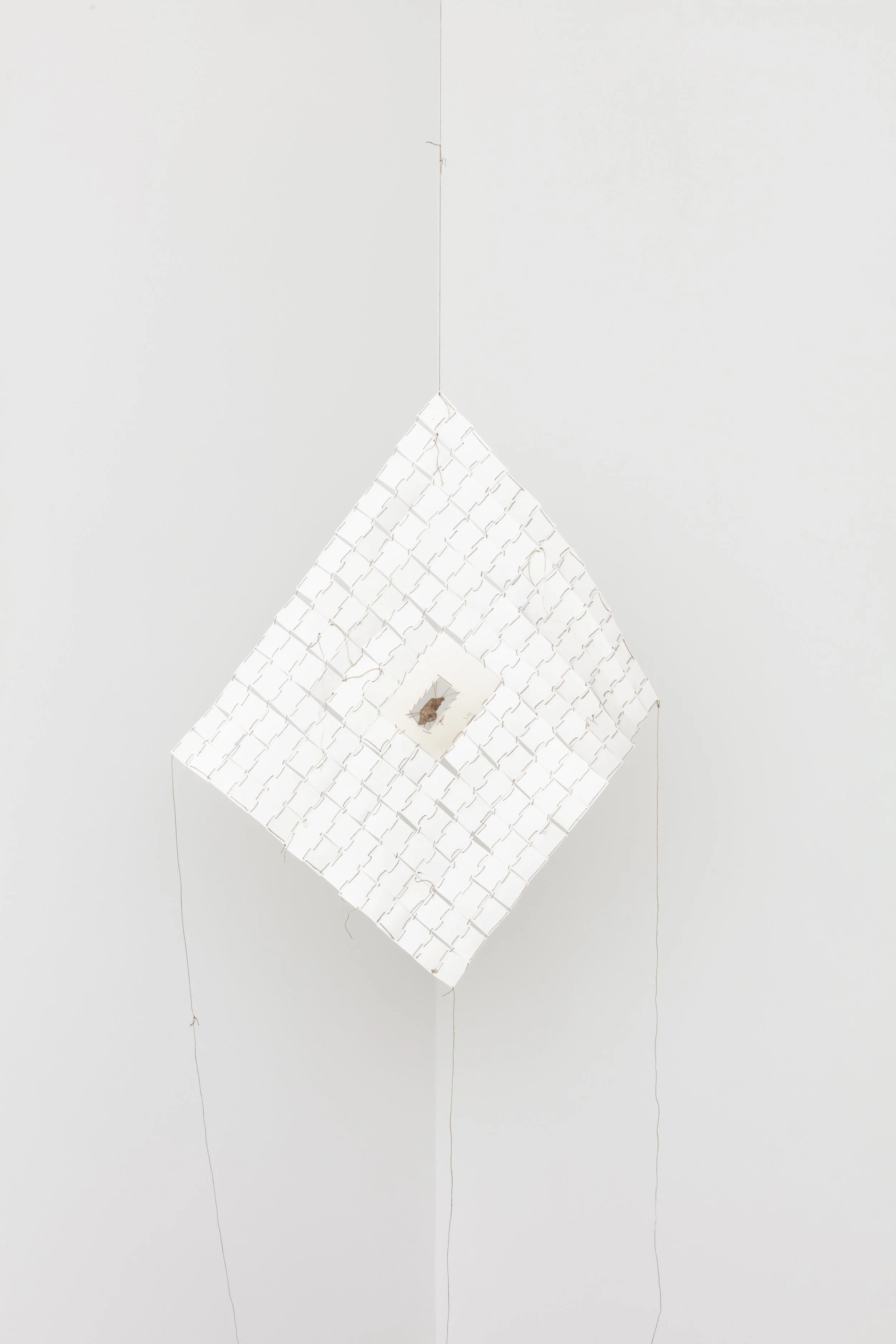
The small photographs in these works accumulate, build up and out. Sometimes an image adds something distinctive, but mostly, they offer repeated, near-identical views of the rock. They obsessively confront the barrier of intimacy; they grasp, relentlessly, toward the impossible, using photography as a way of making something real. Encased in emulsion, they are also a human way of making a rock, of bridging linear and deep-time. They ask: How can an image be a cradle? How does it hold, to what does it cling?
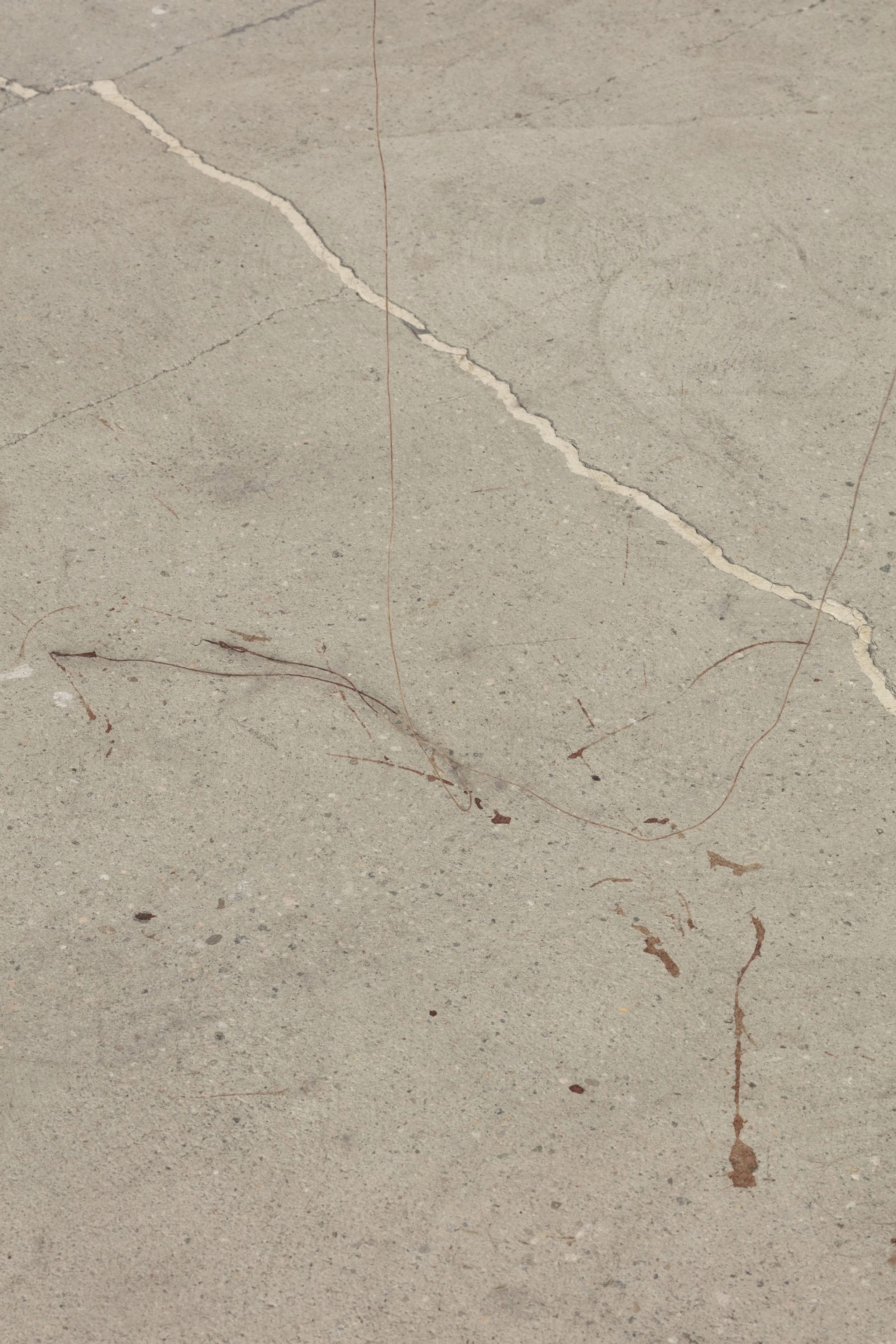
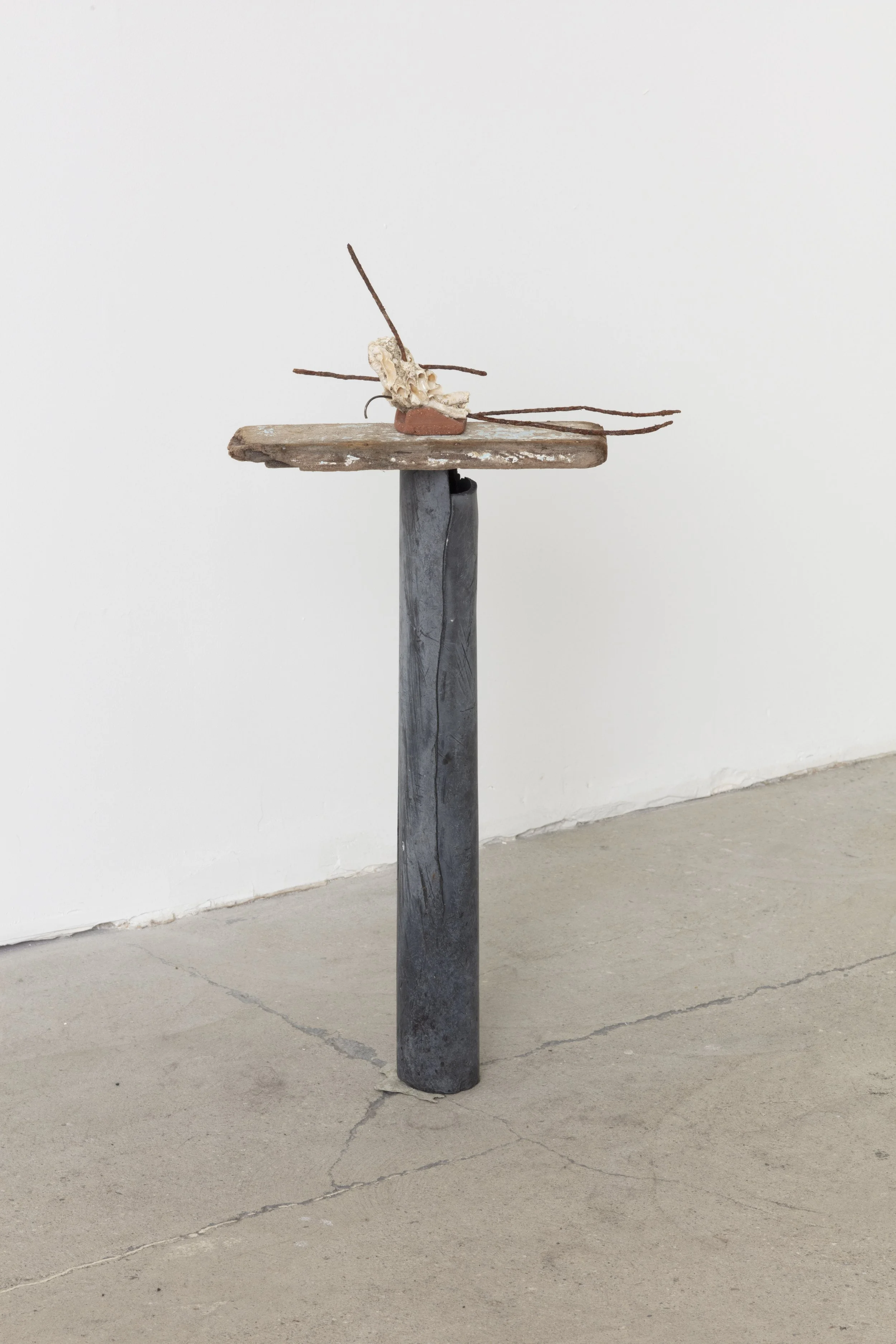
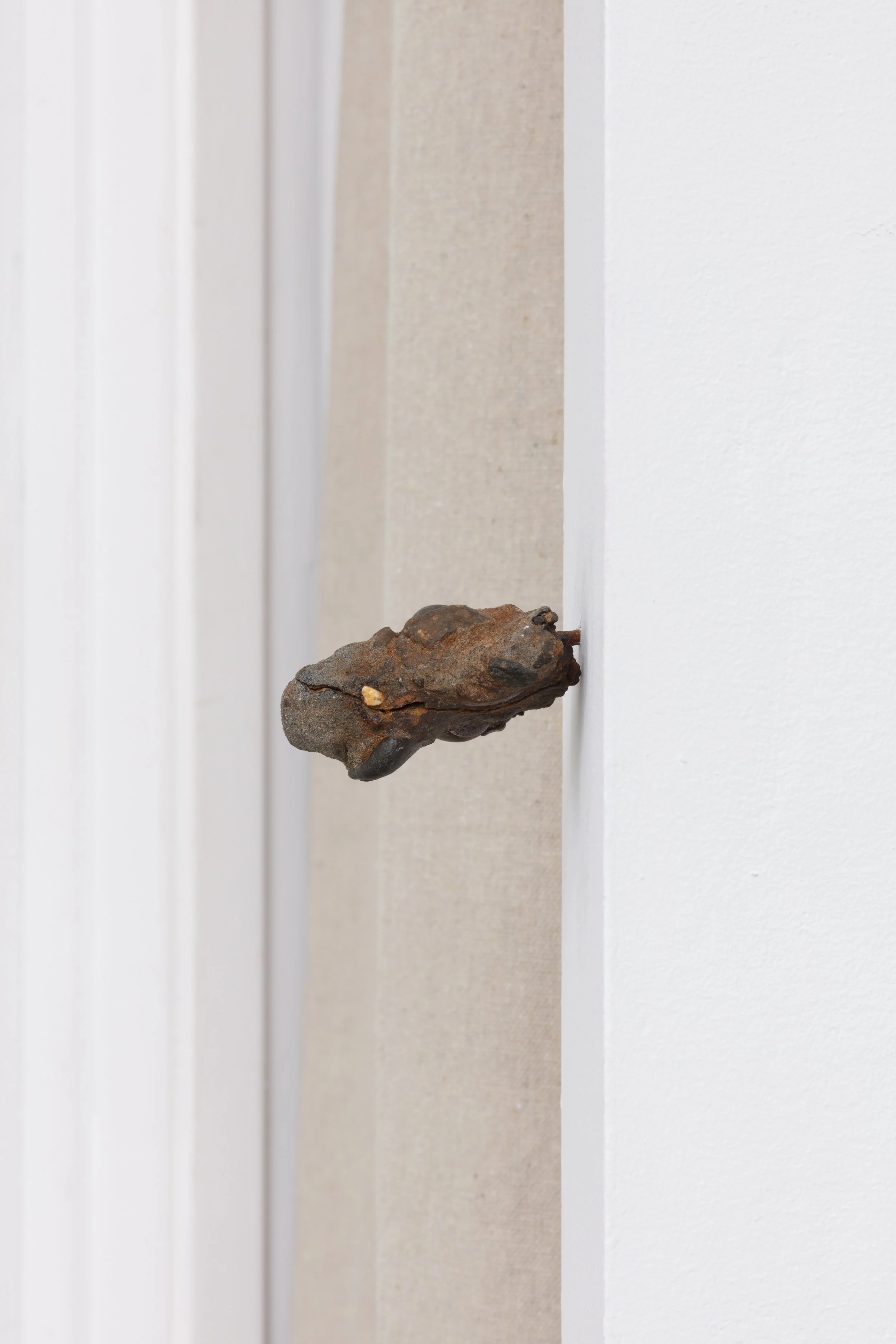
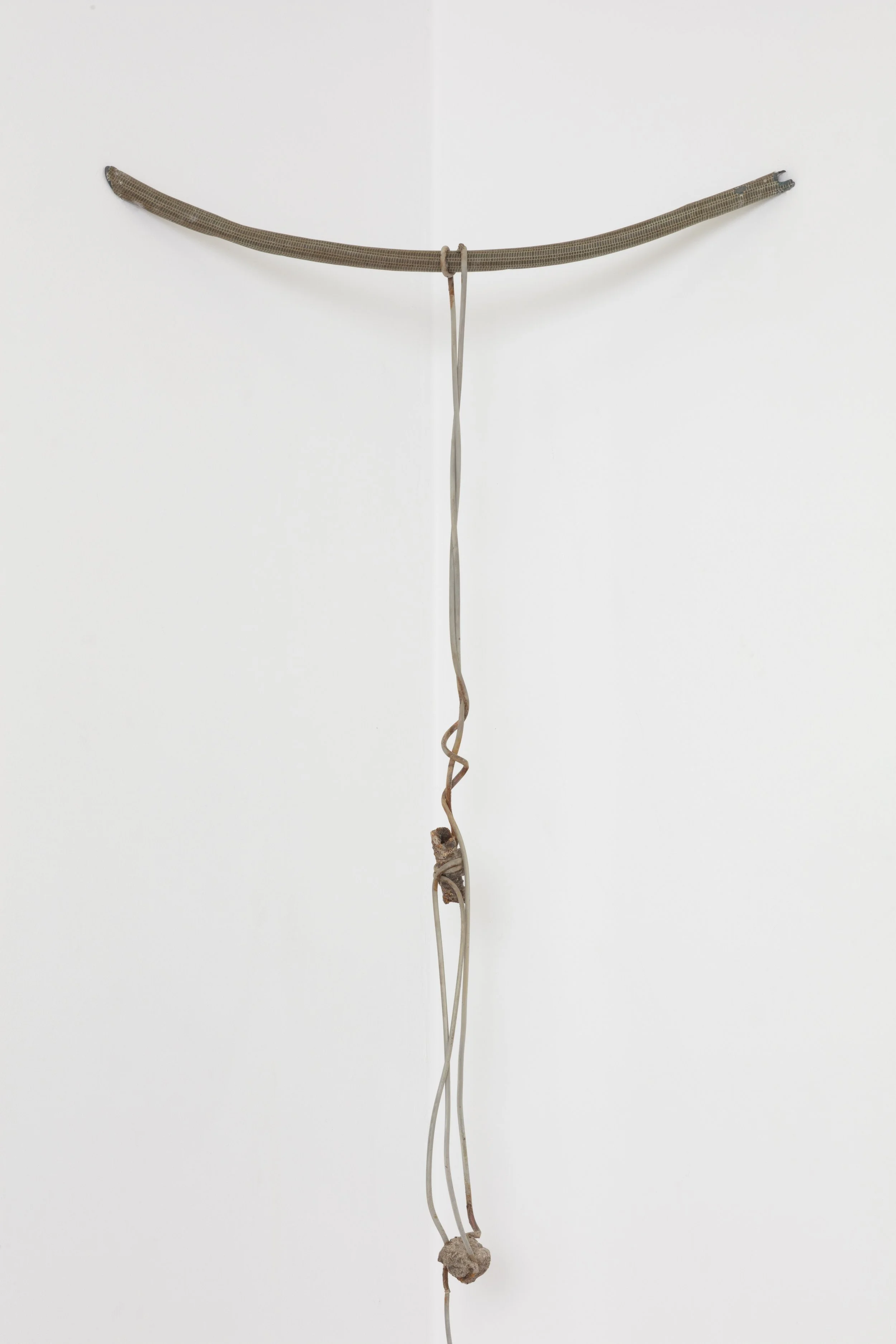
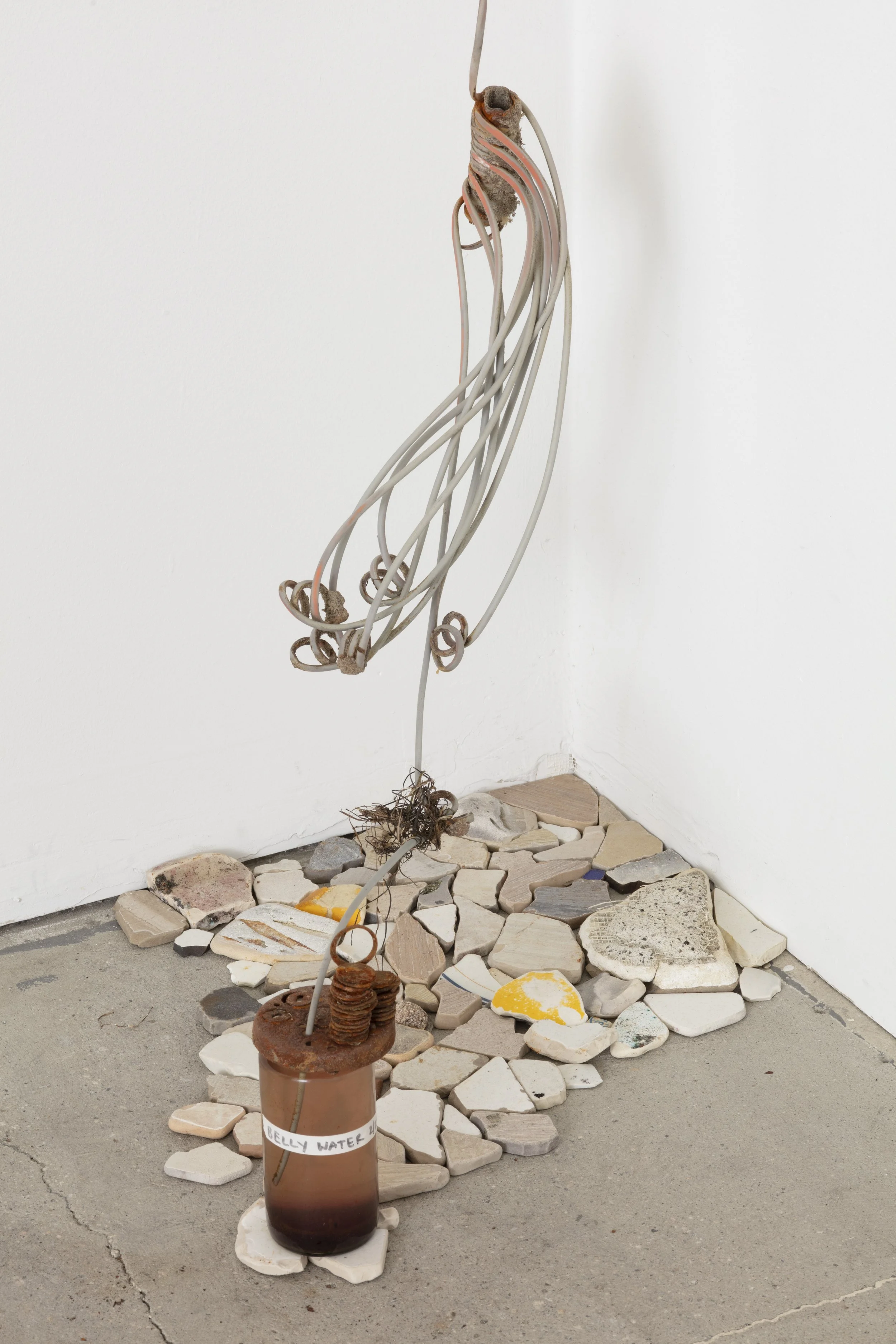
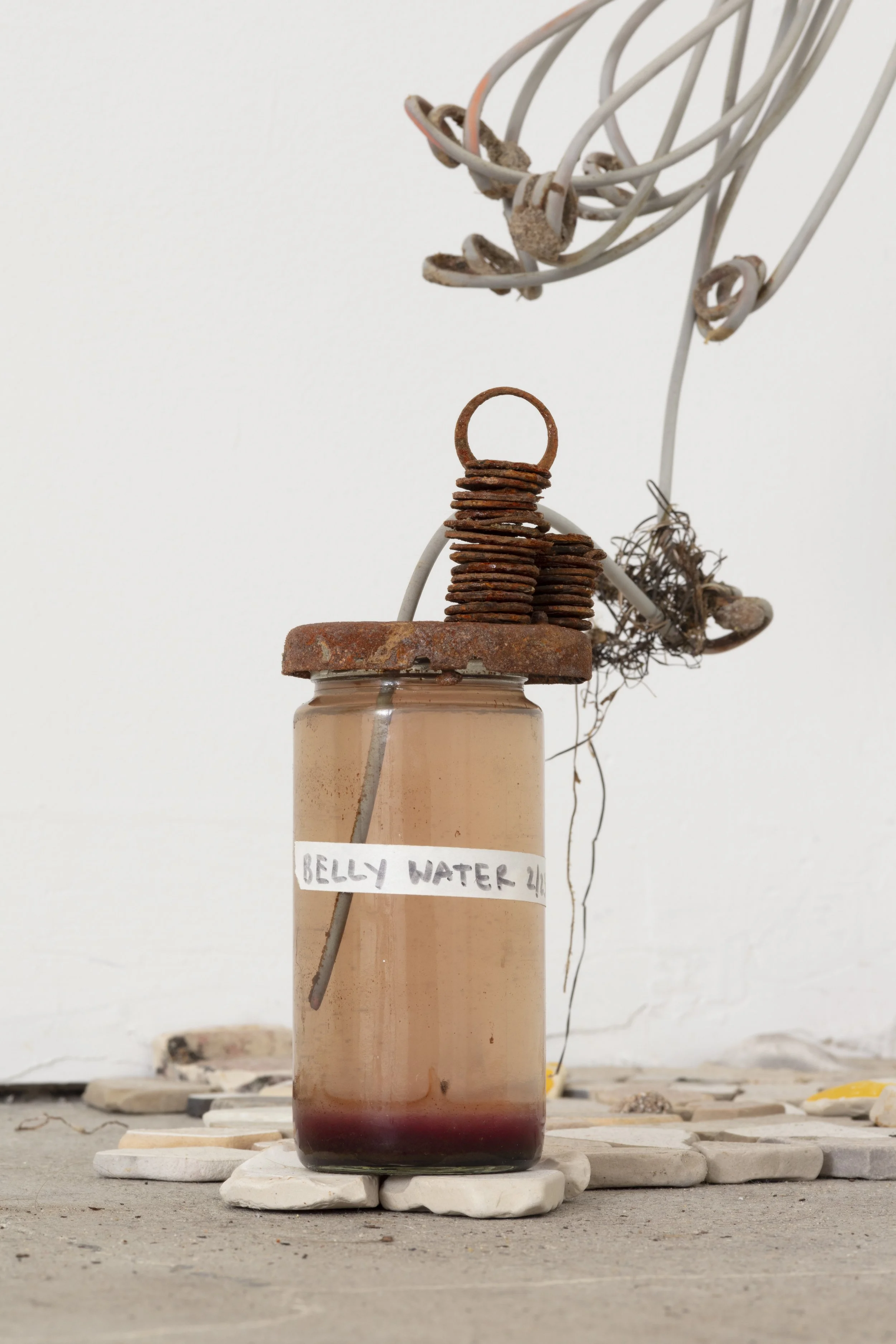
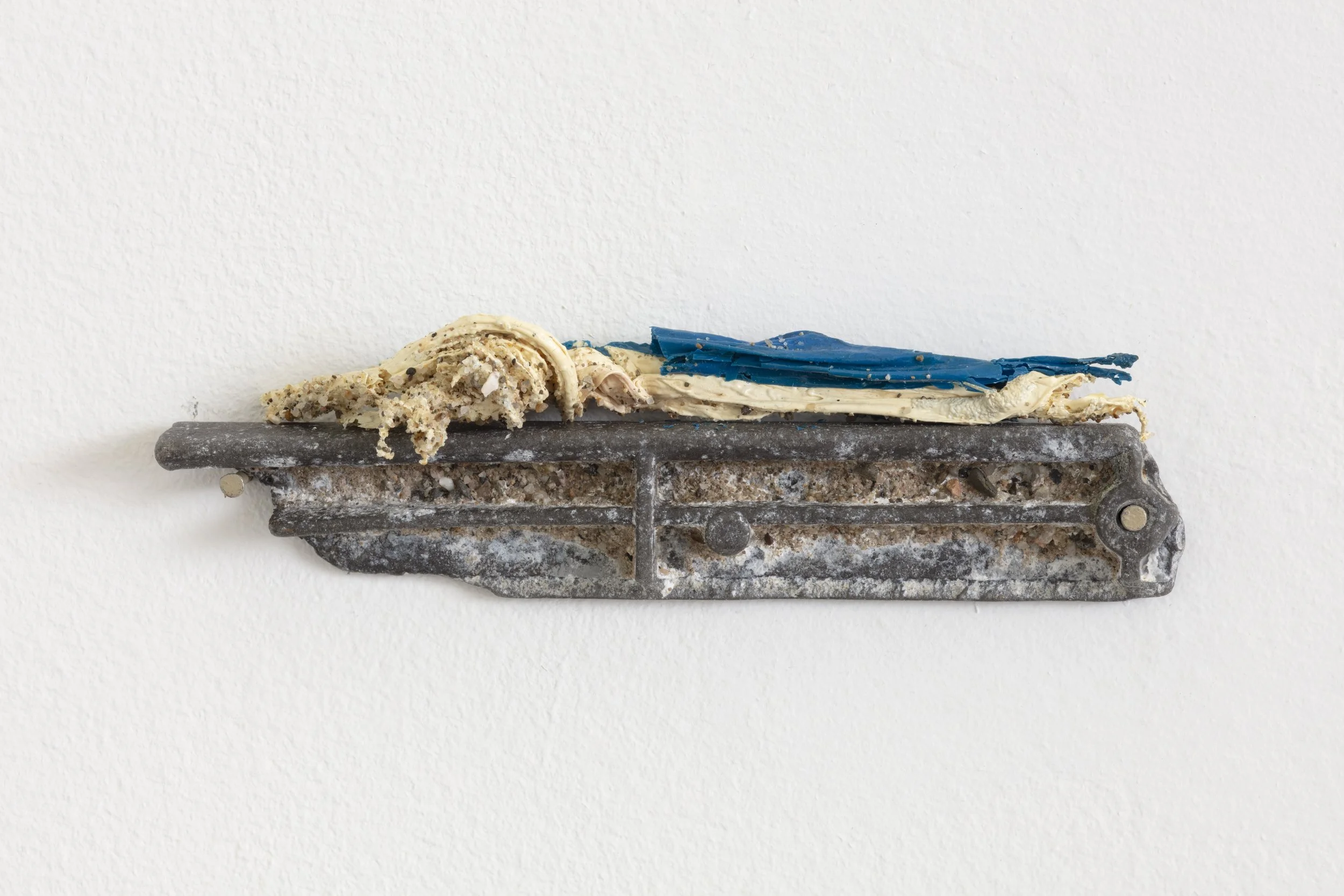
Baden works with materials at the end of their supposed lifespans. The degrading, cast-off materials she collects from the area immediately surrounding the rock have been worn by the saltwater and sun: crusted, rusty metal; crescent-shaped segments of peeling fiberglass; fishing line; ceramic shards; a wide variety of brittle plastics. The ritual of tending to the rock’s umwelt is one way of loving it. In the studio, these once toxic materials can also be loved, becoming like sacred relics.
Baden feels her way around the materials, finding the sweet spots of their bodies. The sculptures are finished when their parts are balanced, when their disparate components hold each other up. But they remain precarious, can come down and go back up again differently. Anyway, new materials flow into the studio all the time. The tide is constant, pulling in and stretching out, both accumulating and eroding, so in its way making the rock anew, again and again.